



Thirty-five years ago today, on November 21, 1990, Nintendo released the Super Famicom in Japan, a console that would later conquer the world as the Super Nintendo Entertainment System. What followed wasn’t just a successful product launch, it was a revolution that redefined what video games could be, both technically and artistically.
The SNES arrived at a crucial moment in gaming history. Sega’s Genesis had already made its mark, and the 16-bit wars were heating up. But Nintendo wasn’t interested in just competing; they wanted to set a new standard. And they did exactly that.
Technical prowess that still impresses
Under the hood, the SNES was a beast for its time. The console featured a custom 16-bit Ricoh 5A22 processor running at 3.58 MHz, which might sound modest by today’s standards, but it was paired with some genuinely innovative tech. The real magic happened with the Picture Processing Unit, capable of displaying 256 colors simultaneously from a palette of 32,768 colors. This was a game-changer, literally.
But here’s where things get interesting: Nintendo included dedicated chips for scaling and rotation effects (Mode 7), which allowed developers to create pseudo-3D effects that felt like wizardry at the time. Remember the first time you saw the track rotating beneath you in F-Zero or the world map spinning in Final Fantasy VI? That was Mode 7 doing its thing, and it was mind-blowing.
The audio capabilities deserve their own spotlight. The SNES featured an 8-channel ADPCM sound chip designed by Ken Kutaragi (yes, the future “Father of PlayStation”). This allowed composers to create rich, layered soundtracks that transcended the bleeps and bloops of previous generations. The SNES didn’t just play music; it performed symphonies.
The games that defined a generation
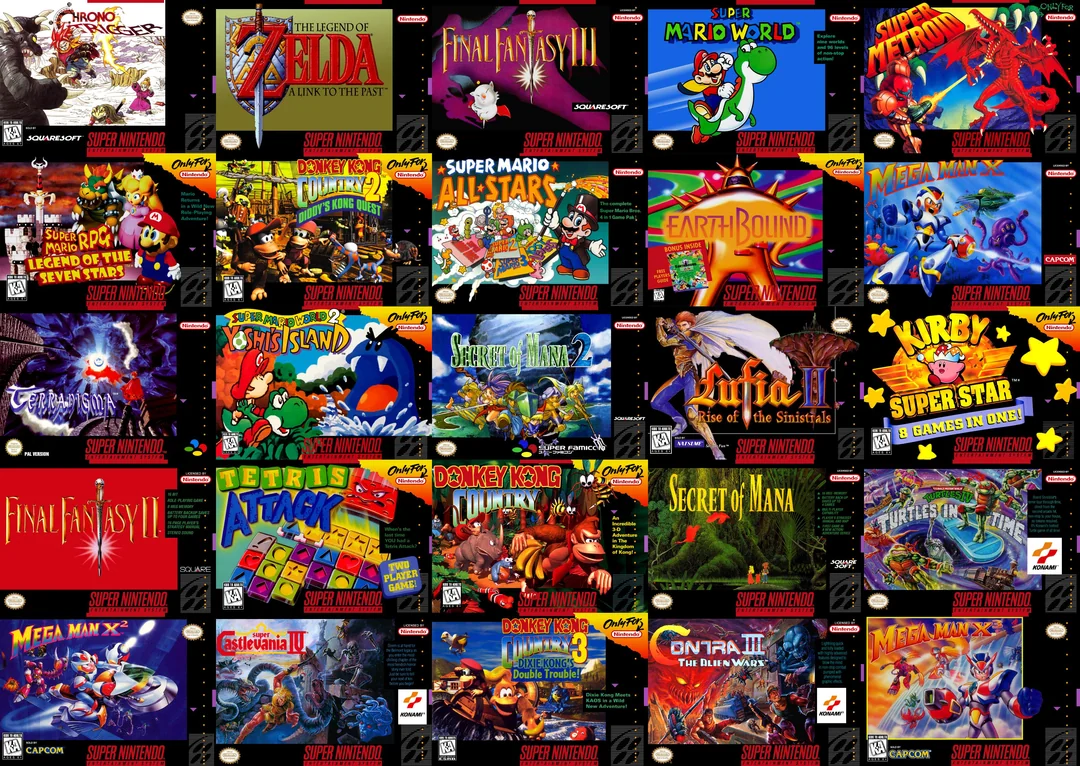
Technical specs are impressive, but games are what make a console legendary. The SNES library is still considered one of the finest in gaming history, and for good reason. Let’s talk about five titles that showcase exactly why this console mattered.
Super Mario World launched alongside the console and immediately proved that 2D platforming still had plenty of room to evolve. Shigeru Miyamoto and his team created a game that felt both familiar and revolutionary, introducing Yoshi and a level of design polish that set the bar impossibly high. Every level was a masterclass in game design, teaching players through play rather than tutorials.
The Legend of Zelda: A Link to the Past took everything great about the original Zelda, added layers of complexity, and created what many still consider the definitive Zelda experience. The Dark World mechanic doubled the game’s scope, and the dungeon design remains influential to this day. It proved that adventure games could be epic without losing their sense of intimacy.
Super Metroid arrived in 1994 and showed the industry how to craft atmosphere. The game barely held your hand, trusting players to explore, experiment, and discover. Its environmental storytelling, non-linear progression, and haunting soundtrack created an experience that felt mature and sophisticated. It essentially codified the “Metroidvania” genre that’s still thriving today.
Chrono Trigger brought together a dream team of talent from Square and Enix (before they merged) and delivered what many consider the greatest RPG ever made. Multiple endings, time travel mechanics that actually made sense, and a combat system that kept things dynamic, it was ambitious in ways that most games still aren’t.
Super Mario Kart invented a genre. Before 1992, kart racing games didn’t exist. After Super Mario Kart, everyone wanted to make one. The Mode 7 graphics created that signature pseudo-3D look, and the multiplayer battles became the stuff of legend (and broken friendships).
A legacy that refuses to fade
The SNES didn’t just compete in the 16-bit wars, it won the hearts of gamers in a way that transcended sales figures. While Sega’s “Genesis does what Nintendon’t” campaign was catchy, Nintendo’s response was simple: release incredible games that people would remember for decades.
The console’s influence extends far beyond its commercial lifespan. Modern indie developers constantly cite SNES games as inspiration. The pixel art aesthetic that the console perfected is now considered timeless rather than dated. Speedrunners still dissect these games, finding new tricks and optimizations in code that’s over three decades old.
Nintendo’s decision to prioritize gameplay and artistic vision over raw processing power established a philosophy that the company maintains today. The SNES proved that technical specifications matter less than what you do with them. It’s a lesson the industry keeps learning and forgetting in cycles.
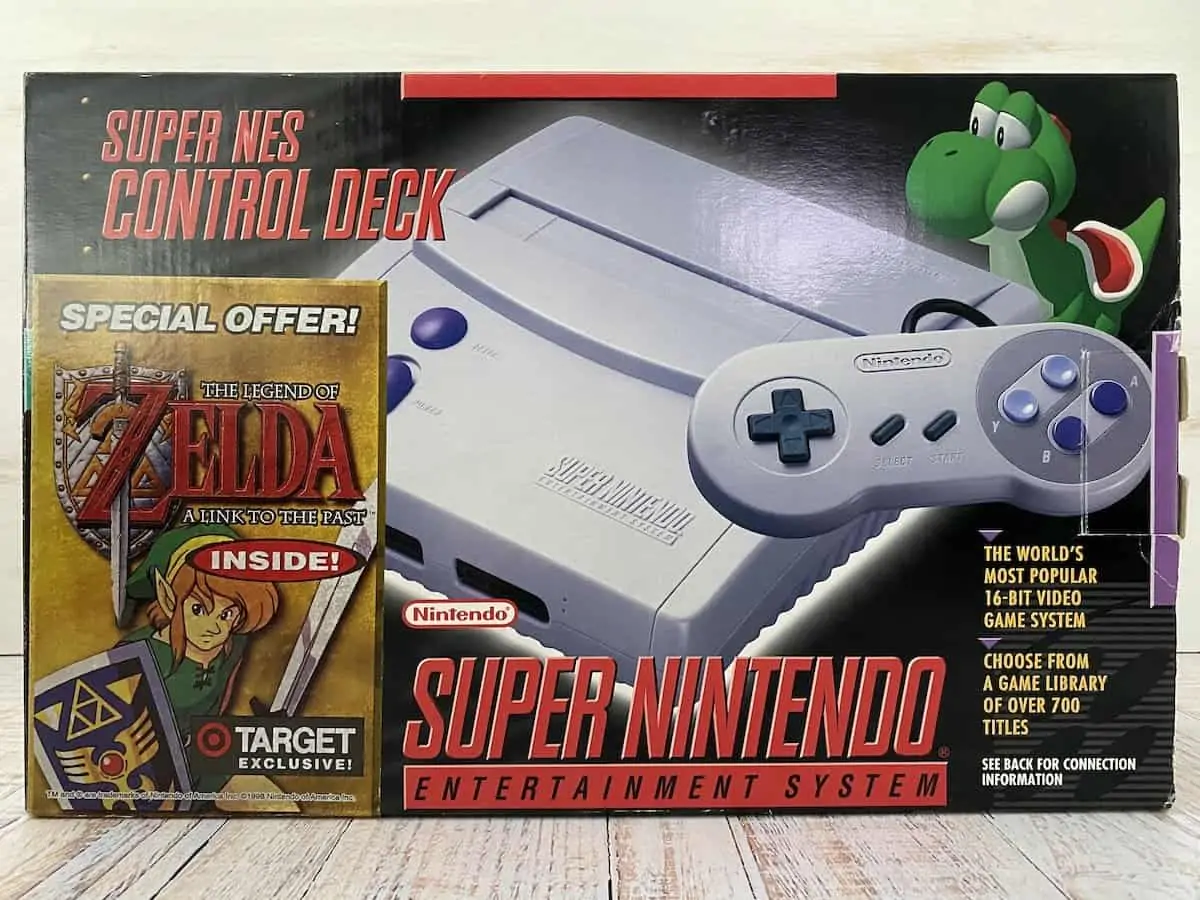
The console also fostered an incredible relationship between Nintendo and third-party developers. Companies like Square, Capcom, and Konami produced some of their finest work on the SNES, creating a library so deep that even hardcore collectors are still discovering hidden gems.
Why it still matters
Walking into a retro game store today, you’ll notice something interesting: SNES games command respect and decent prices. People aren’t just collecting them for nostalgia; they’re playing them because they’re still genuinely good. The best SNES games haven’t aged, they’ve matured.
The console taught developers that limitations breed creativity. With finite resources, teams had to be clever, innovative, and purposeful with every sprite, every note of music, every line of code. That constraint-driven creativity produced games with a level of polish and intentionality that sometimes feels missing in modern development.
Thirty-five years later, the Super Nintendo Entertainment System stands as a monument to what happens when hardware innovation meets artistic ambition. It wasn’t the most powerful console of its generation, but it was the most loved. And in gaming, that’s what truly matters.
Happy 35th birthday SNES! Thank you for all those precious memories… and all the future ones!
Want more deep dives into gaming history and the titles that shaped the industry? Follow us for more content like this, where we celebrate the games, consoles, and moments that made us fall in love with gaming.