



Red Dead Redemption 2 cost roughly $540 million to make. It’s one of the most expensive entertainment products in history. It sits outside the top 10 highest-rated games of all time.
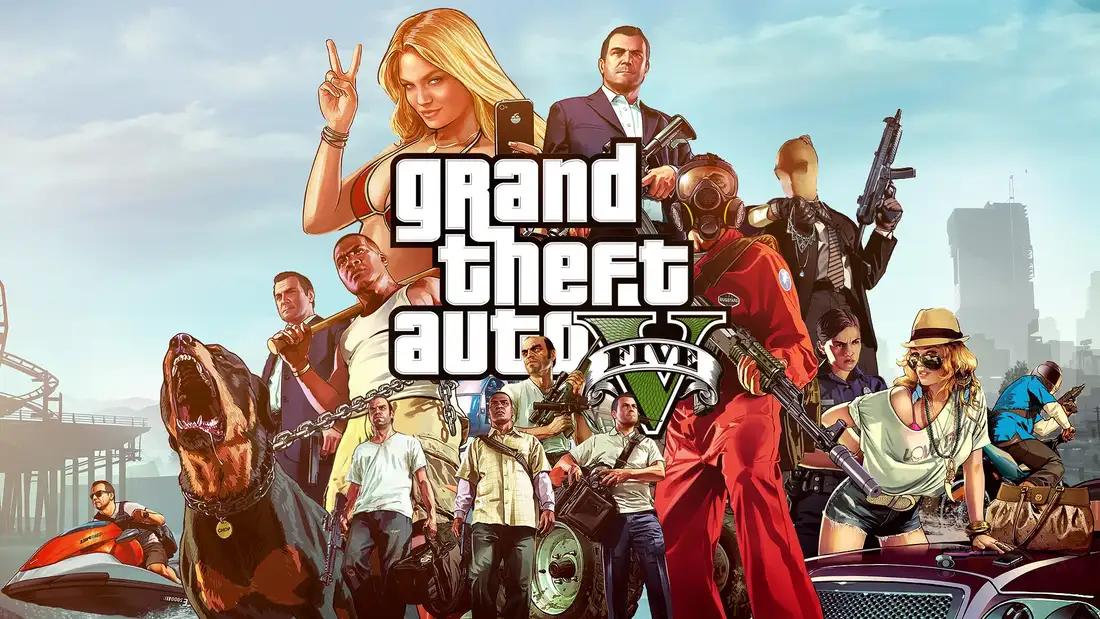
Grand Theft Auto V, made for about $265 million in 2013, holds the number one spot at 99.3. The Witcher 3 cost around $81 million and sits at 98.0. Bloodborne, developed for a fraction of what most AAA studios burn today, comes in at 97.1.
We pulled data on 5,003 rated games from the IGDB database, filtered to titles with at least 50 user ratings, and mapped score distribution by release decade. The pattern is hard to argue with: pre-2000 games average 94.7 across their top-50 entries. Games from the 2020s haven’t matched that number once.
Budgets went up unlike Ratings.
The numbers behind the nostalgia
The data are showing something structural.
Nintendo EAD holds 5 entries in the all-time top 50. CD Projekt RED has 4. These studios share one trait: they ship when the game is done, not when the fiscal quarter demands it.
Compare that to the annual release model. Zero sports games appear in the top 50. Not one. FIFA, Madden, NBA 2K, none of them. These are billion-dollar franchises with massive player bases, and they have never produced a single entry that cracks the highest-rated tier. The annual cycle and roster-update model prevent the kind of polish that earns lasting critical respect.
The same pressure now hits AAA action and RPG studios. Publisher timelines push games out before they’re finished. Day-one patches have replaced quality assurance. Live-service roadmaps get prioritized over the base experience. The result: technically impressive games that score well but not historically well.
Where the money actually goes
The budget bloat isn’t going into gameplay innovation. It’s going into three places:
Visual fidelity. Character models, lighting, particle effects. Players notice these for about 20 minutes, then they become invisible. No one rates a game 98 because the puddles reflect accurately.
Marketing. Major AAA launches spend 50-100% of development cost on marketing. That money doesn’t touch the game itself. It touches your awareness of the game.
Team size. Ubisoft’s Assassin’s Creed Shadows reportedly involved over 1,000 developers. Coordination overhead scales quadratically with team size. More people doesn’t mean better game. It often means more meetings, more compromises, and more bland consensus decisions.
Meanwhile, Hollow Knight was made by three people and sits comfortably among the most beloved games of its generation. Stardew Valley was made by one person. Undertale, one person.
The indie counter-signal
The data shows a widening gap between production value and player satisfaction. The titles with the strongest long-term ratings tend to share specific traits: clear creative vision, tight scope, and the freedom to delay release until quality hits the bar.
This isn’t an anti-AAA argument. God of War Ragnarok, Elden Ring, and Baldur’s Gate 3 prove that big-budget games can still hit the top tier when the studio has the leverage to protect quality. But they’re the exceptions now, not the baseline.
The baseline is a $150-200 million game that scores 78-84, gets a content roadmap, loses its player base in three months, and gets a sequel greenlit anyway. The data is clear on this: spending more money on games has not produced better games on average. It’s produced more expensive mediocre ones.
What this means for 2026 and beyond
The industry is at an inflection point. AI tools are cutting content production costs. Unreal Engine 5 democratized visual quality. The technical barriers that once justified massive budgets are falling.
If you want to see the highest rated games, you can read DropThe full analysis, ranking the highest rated games of all time.
The studios that understand this shift will build smaller, sharper teams. The ones that don’t will keep spending $200 million to land in the 80s on Metacritic and wonder what went wrong.
The data already told them. They just didn’t check.
You can also explore 837+ gaming sites, tools, and communities in the DropThe Directory gaming page — a free, quality-scored database of the gaming web.
Guest article by https://dropthe.org/. Entity links and editorial by GeekRealmHub.