



Most people still think gaming is just a way to kill time. Science disagrees. Over the past two decades, researchers have accumulated a solid body of evidence showing that playing video games, especially fast-paced, action-heavy titles, trains a set of cognitive skills that carry over directly into real life. Not metaphorically. Literally, in measurable, documented ways.
These are not soft benefits. Faster decision-making, sharper awareness, better coordination, stronger multitasking, and a brain that learns new systems faster than average. The kind of skills employers look for, athletes train years to develop, and surgeons need in the operating room. Turns out, gamers have been building all of that from the couch.
Reaction time, Coordination, and Spatial Awareness
Cognitive scientists at the University of Rochester studied what happens to the brain after extended action game play. Their findings, published in the journal Current Biology, showed that action video game players make faster and more accurate decisions than non-gamers across a wide variety of tasks, and that advantage extends well beyond the screen.
The brain essentially becomes more efficient at collecting visual and auditory information and acting on it faster, without sacrificing accuracy. As lead researcher Daphne Bavelier put it: “Action game players make more correct decisions per unit time. If you are a surgeon or you are in the middle of a battlefield, that can make all the difference.”
That connection to surgery is not just a figure of speech. Research has consistently shown that surgeons with gaming experience perform laparoscopic procedures faster and with fewer errors than those without it. The hand-eye coordination developed through years of gaming translates directly to the precision those procedures demand.
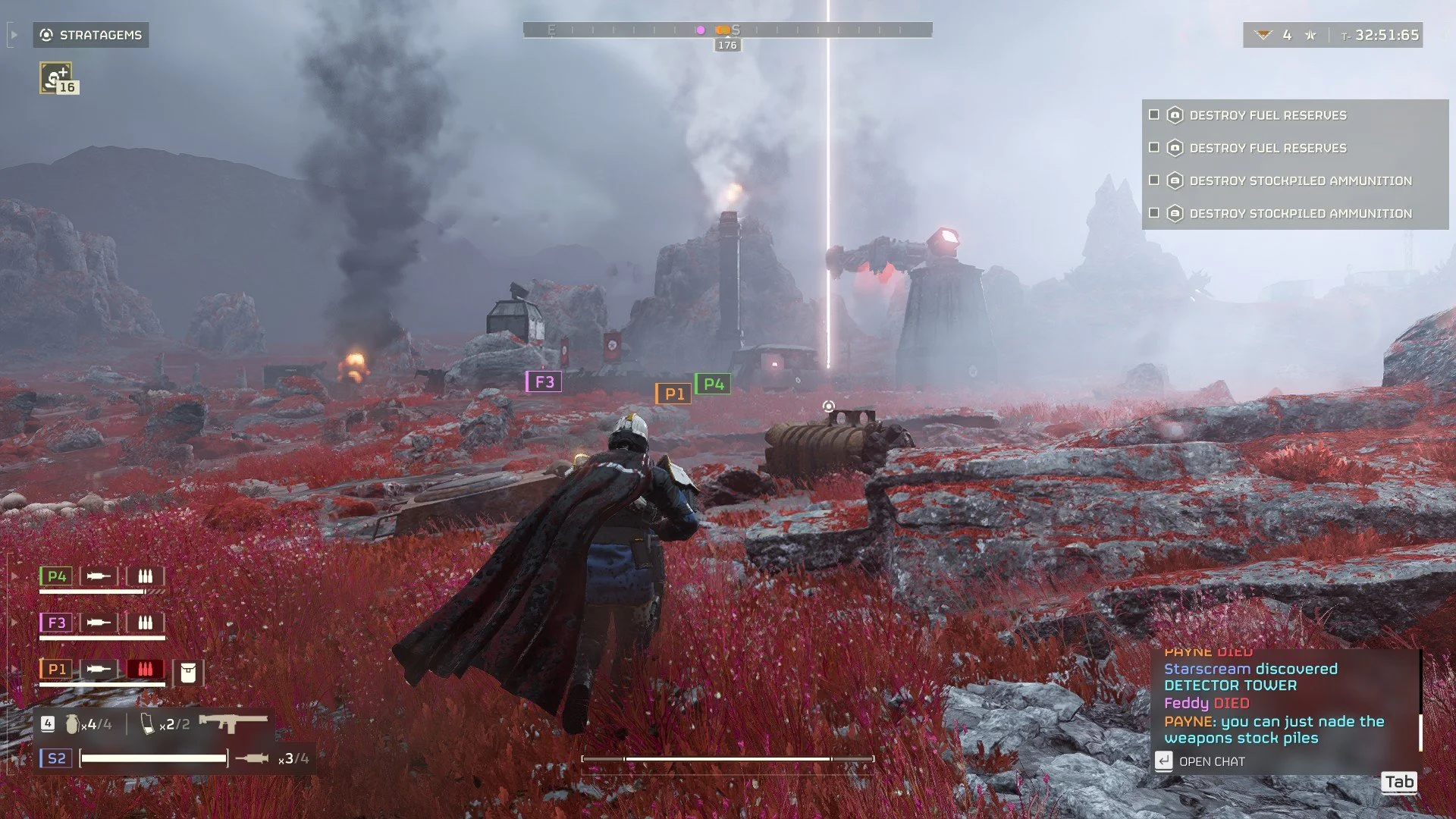
A study published in Psychological Science compared adults who regularly played action games against non-gamers on motor control tasks. The gamers reacted more quickly and more precisely to changing conditions, and the advantage was consistent across different types of tasks.
Spatial awareness follows the same pattern. Researchers at the Max Planck Institute for Human Development asked adults to play Super Mario 64 for 30 minutes a day over two months. Brain scans taken before and after showed measurable increases in gray matter in the right hippocampus, the region responsible for spatial navigation and memory formation.
These were not temporary effects. The structural changes were real, physical, and documented in the journal Molecular Psychiatry. For anyone who has ever memorized a massive open-world map without looking at the minimap once, this will come as no surprise.
Visual attention rounds out this first set of skills. Research from the University of Rochester found that action gamers are significantly better at tracking multiple moving objects simultaneously compared to non-gamers. That same peripheral awareness and object-tracking ability transfers to driving, competitive sports, and any real-world environment that requires processing a lot of information at once.
Decision-Making, Multitasking, and Cognitive Flexibility
A 2022 study from Georgia State University used functional MRI brain scans to compare gamers and non-gamers during active decision-making tasks. The results were published in the journal Neuroimage: Reports. Gamers were faster and more accurate, and their brains showed increased activity in the regions responsible for visuomotor processing.
Critically, the researchers found no trade-off between speed and accuracy, gamers were better on both measures simultaneously. The study’s authors noted the findings suggest video games could be used as a tool for decision-making efficiency training beyond the gaming context.
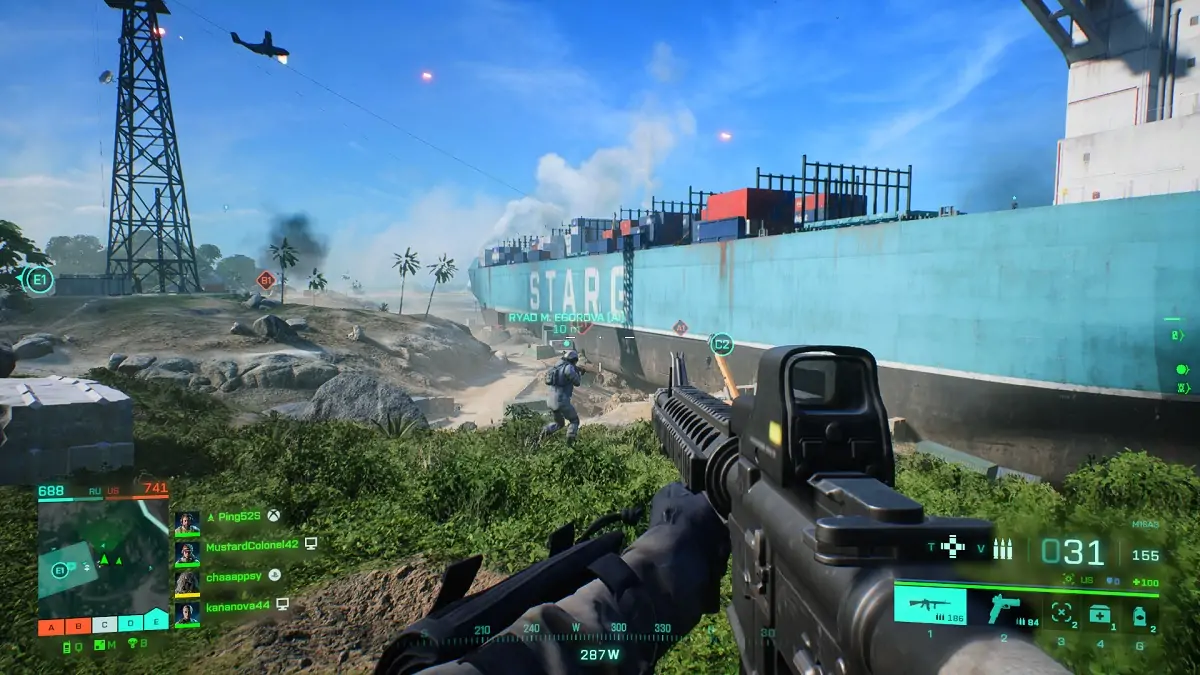
Multitasking improves through gaming as well. Research from Queen Mary University of London and University College London found that participants who trained on StarCraft, a real-time strategy game that demands constant switching between multiple tasks and information sources, significantly outperformed those who played The Sims on cognitive flexibility tests afterward.
Dr. Brian Glass, one of the researchers, concluded that cognitive flexibility, which is a cornerstone of human intelligence, is not a fixed trait. It can be trained. And gaming is one of the tools that does it.
This matters because cognitive flexibility is directly tied to how well people adapt to new environments, new software, new workflows, and new challenges. Gamers are constantly forced to read new systems, identify new rules, and shift strategies mid-session. That process builds a mental habit of rapid adaptation that carries over into the real world.
Learning Speed and the Gamer Advantage
The learning speed finding is one of the most compelling in this entire body of research. Daphne Bavelier’s team at the University of Rochester found that gamers learned new language patterns twice as fast as non-gamers.
After just 20 minutes of exposure to unfamiliar speech, gamers were already identifying vocabulary patterns, a task that took non-gamers 40 minutes. Bavelier explained it this way: “Gamers really are better learners. These people come to a task and very fast learn what are the task requirements, suppress any distractions, and focus on the task at hand.”
Separately, a study from the University of Glasgow found that after two months of regular gaming, 81% of participants showed significant improvement in resourcefulness, including problem-solving and knowing when to ask for help, while 75% showed improved adaptability to new situations. Those two skills, learning quickly and adapting reliably, are exactly what professional environments reward most.
What the research actually says
The stereotype of the gamer as someone disconnected from reality was never well-supported by evidence. The data has always pointed in the opposite direction. Research published in Frontiers in Human Neuroscience found that video games change the brain regions responsible for attention and visuospatial skills, making them more efficient over time.
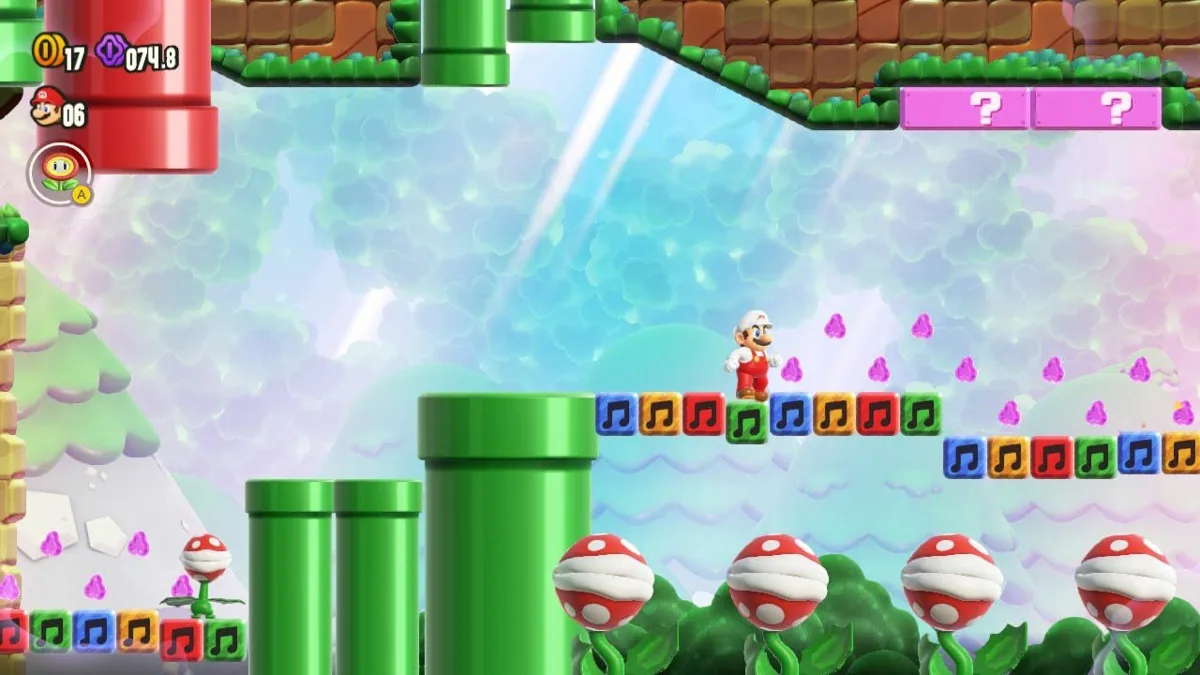
The Max Planck study showed the right hippocampus was enlarged in both long-term gamers and volunteers who completed a gaming training program. These are structural brain changes, not temporary effects that wear off after a session ends.
Action video game players consistently demonstrate improved hand-eye coordination, stronger peripheral visual processing, enhanced mental rotation skills, greater divided attention, and better visuospatial memory. Real-time strategy players show elevated cognitive flexibility.
Puzzle game players show improved working memory. The benefits vary by genre, but across the board, gaming trains the brain in ways that matter outside the game.
Faster reactions, sharper situational awareness, better spatial reasoning, quicker adaptation to new systems, and solid decision-making under pressure. The research is there. The results are documented. Millions of people have been training these skills without even realizing it, one session at a time.
Have you ever caught yourself using a skill in real life that you know came from gaming? Tell us in the comments, we want to hear your story!