



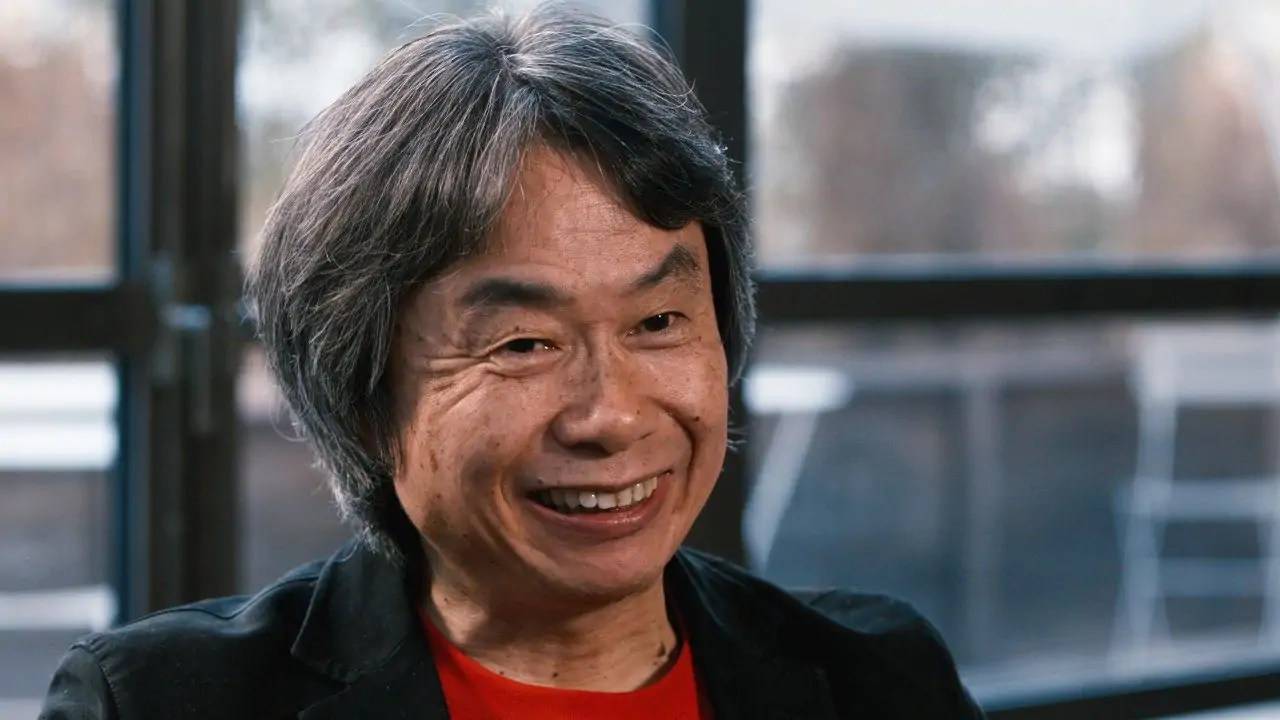
When you think of Shigeru Miyamoto, images of Mario jumping through the Mushroom Kingdom or Link saving Hyrule probably come to mind. But here’s something that might surprise you: the legendary Nintendo designer has a soft spot for shaking maracas to Latin beats in SEGA’s Samba de Amigo.
This delightful revelation didn’t come from Miyamoto himself, but through a heartwarming story shared by Satoshi Okano, a developer connected to the Samba de Amigo franchise. The tale takes us back to the early 2000s and involves another gaming icon, the late Satoru Iwata, Nintendo’s beloved former president.
A New Year’s card that revealed everything
In Japan, exchanging New Year’s cards is a cherished tradition, and Iwata and Okano kept this custom alive despite working for rival companies. Sometime around 2000 or 2001, Iwata sent Okano a card that contained an unexpected gem of information. In his message, Iwata casually mentioned that Miyamoto was also a fan of Samba de Amigo.
For Okano, this was a genuine surprise. After all, Samba de Amigo was a SEGA property, a colorful, rhythm-based arcade game that had players wielding motion-controlled maracas on the Dreamcast. It wasn’t exactly the kind of game you’d expect Nintendo’s mastermind to geek out over, yet there it was.
Why Samba de Amigo makes sense
Once you get past the initial shock, Miyamoto’s appreciation for Samba de Amigo actually tracks perfectly with his design philosophy. The game embodies everything he’s championed throughout his career: immediate fun, accessible gameplay, infectious energy, and pure joy.
Samba de Amigo never pretended to be anything other than a celebration of movement and music. Its vibrant visual style and emphasis on physical expression mirror the kind of experiential gaming that Miyamoto has built his legacy on. Whether you’re swinging a Wii Remote or tilting a controller, Nintendo has always understood that games should make you move, smile, and feel something.
Breaking down console wars, one maraca at a time
This anecdote does more than just add a fun fact to Miyamoto’s profile. It humanizes two titans of the industry and reminds us that great game designers appreciate creativity regardless of the logo on the box. Iwata’s willingness to share this tidbit also speaks volumes about his character, he was someone who paid attention to his colleagues’ interests and fostered connections across company lines.
In an industry often divided by fierce brand loyalty, stories like this prove that the love for gaming transcends corporate boundaries. Miyamoto wasn’t just analyzing a competitor’s product; he was genuinely enjoying it as a player.
Want more gaming stories that go beyond the surface? Follow Geek Realm Hub on Facebook for daily doses of gaming culture, Easter eggs, and the industry secrets you won’t find anywhere else!