



The streaming wars just reached a whole new level. Netflix has emerged victorious in a high-stakes bidding war to acquire Warner Bros. Discovery, beating out major competitors like Paramount and Comcast. With a winning bid of $30 per share and a massive $5 billion break-up fee attached, the streaming giant is now in exclusive negotiations to seal what could be the biggest entertainment industry merger in recent history.
This isn’t just another corporate deal. We’re talking about Netflix potentially taking control of HBO Max, the entire Warner Bros. studio empire, and a treasure chest of beloved franchises including Harry Potter, the DC Universe, and everything HBO has built over decades. The irony? Netflix once famously aspired to become “the next HBO” when it first started creating original content. Now it’s on track to actually own it.

Your streaming bill is about to get very interesting
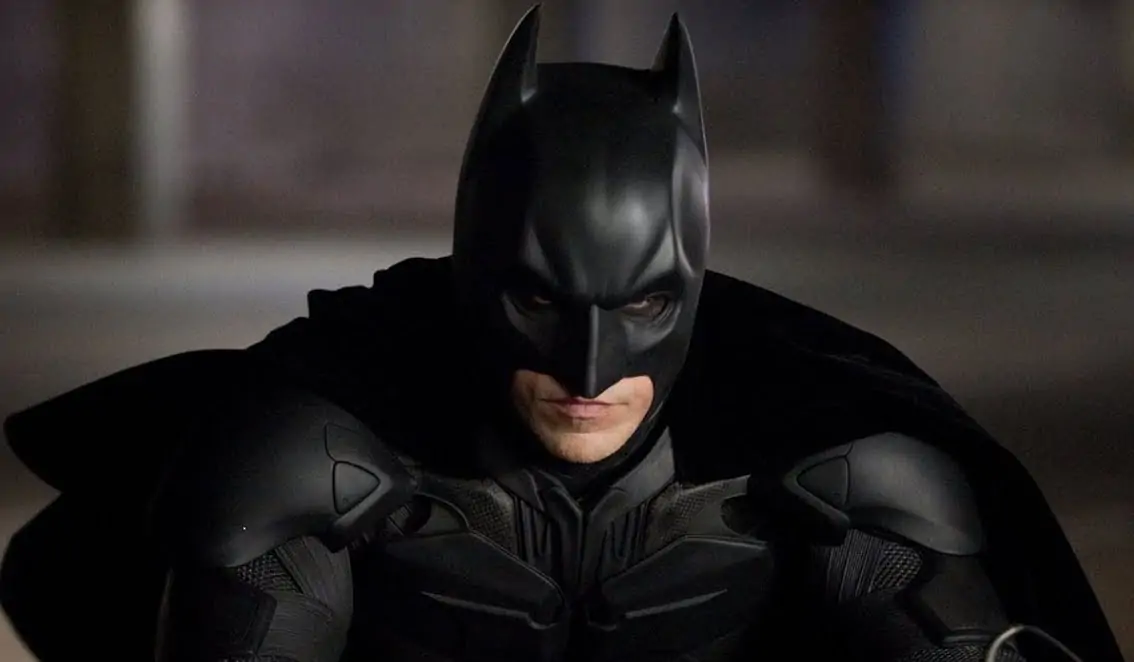
If this acquisition goes through, the entertainment landscape as we know it will fundamentally change. Netflix would suddenly control an unprecedented amount of content that spans generations of pop culture. Think about it – the platform that gave us “Stranger Things” and “Wednesday” could soon be the exclusive home for Batman, Superman, Hogwarts, and prestige dramas that defined modern television.
For fans, this could mean several things. On one hand, consolidation might make it easier to find all your favorite content in one place instead of juggling multiple subscriptions. Imagine watching “The Last of Us,” “House of the Dragon,” and Netflix originals all on the same platform. On the other hand, less competition in the streaming space could lead to higher subscription prices down the road and potentially fewer risks taken on innovative new content.
The deal would also give Netflix serious muscle in areas where it’s historically been cautious. Warner Bros. Discovery brings decades of theatrical distribution experience and relationships that Netflix has largely avoided. This could signal a shift in how Netflix approaches big-budget releases and whether we’ll see more of their content getting proper theatrical runs before hitting the platform.
The regulatory roadblock ahead
Here’s where things get complicated. The U.S. Department of Justice isn’t exactly rolling out the red carpet for this merger. Republican Rep. Darrell Issa has already raised red flags in a letter to federal regulators, warning that combining these two entertainment giants could reduce incentives to produce new content and hurt opportunities for creators across Hollywood.
California’s Attorney General has also voiced concerns about further consolidation in the entertainment industry, arguing it doesn’t serve consumers or competition well. These aren’t minor obstacles – they’re the kind of regulatory hurdles that can drag out for months or even kill deals entirely.
That unusually large $5 billion break-up fee Netflix agreed to? It’s essentially insurance money that shows how serious they are about making this happen, even knowing the regulatory battle ahead will be brutal. When investors realized how real this deal was, Netflix shares dropped 5% in a single day. Wall Street clearly has mixed feelings about whether this gamble will pay off.
The plot twist no one saw coming
Just two months ago, this scenario seemed almost impossible. Netflix co-CEO Greg Peters had publicly dismissed big media mergers as having a poor track record. Meanwhile, Paramount appeared to be the frontrunner to acquire Warner Bros. Discovery, with an initial offer of $19 per share back in September that seemed destined to close.
But the tide shifted dramatically through three intense rounds of bidding. The final round got particularly nasty, with Paramount accusing Warner Bros. Discovery CEO David Zaslav of running a “tainted” process that favored Netflix from the start. Paramount even suggested the deal was predetermined, claiming WBD had “abandoned the semblance and reality of a fair transaction process.”
Despite Paramount’s protests and arguments that a Netflix deal would never get regulatory approval, Warner Bros. Discovery ultimately chose to move forward with exclusive negotiations with the streaming giant. Paramount could still try to take its offer directly to WBD shareholders, but with Netflix hitting that magic $30-per-share number, it’s an uphill battle.
The uncertain future of your favorite franchises
The road ahead is long and uncertain. Netflix will need to navigate complex antitrust reviews, convince regulators that the merger won’t harm consumers or the industry, and somehow integrate a traditional media company into its streaming-first culture. The process could take many months and distract the company from its core business of keeping subscribers happy and growing its platform.
There’s also the question of what Netflix will actually do with all these assets once it owns them. Will HBO Max continue as a separate service or get absorbed into Netflix? What happens to Warner Bros.’ theatrical release strategy? How will DC fans feel about their superhero universe being controlled by the same company that brings you “Bridgerton”?
One thing is certain – if this deal closes, the streaming industry will never be the same. Netflix would cement itself not just as the dominant streaming platform, but as one of the most powerful entertainment companies in history, rivaling the old Hollywood studio system at its peak.
For fans of great storytelling, the hope is that this consolidation leads to more resources for ambitious projects rather than playing it safe with proven formulas. Only time will tell whether Netflix’s bold gamble pays off for everyone involved.
Stay plugged into the latest entertainment industry shakeups and what they mean for your favorite franchises. Follow Geek Realm Hub for more breaking news and in-depth analysis on everything happening in the world of streaming, gaming, and pop culture.