



The battle between streaming platforms and traditional cinema has reached a new intensity. Netflix co-CEO Ted Sarandos recently dropped what might be the most controversial bomb yet in this ongoing war, declaring that the movie theater model is fundamentally outdated and out of sync with how modern audiences actually want to consume content.
Speaking at the Time100 Summit in New York, Sarandos didn’t mince words when asked if Netflix had destroyed Hollywood. His response? They’re actually saving it. But his vision of salvation looks nothing like the golden age of cinema that filmmakers have cherished for over a century.

The death of the theatrical window
Sarandos pointed to the struggling global box office as evidence that audiences have spoken loud and clear. The traditional 45-day theatrical window that studios and theaters are desperately trying to preserve is, according to the Netflix executive, completely disconnected from consumer preferences. People want to watch movies at home, and the industry’s resistance to this reality is only hastening its own decline.
This isn’t just corporate spin from a streaming executive. The numbers support his argument. While blockbusters still occasionally dominate the box office, the overall trend shows audiences increasingly choosing their couches over theater seats. The pandemic accelerated this shift, but Sarandos argues it was inevitable regardless.
A tale of two experiences
Interestingly, Netflix isn’t completely divorced from theatrical exhibition. The company owns iconic venues like Los Angeles’ Bay Theater and New York’s Paris Theater, which Sarandos claims they saved from becoming another Walgreens. But here’s the twist: they didn’t save it to preserve the theater business, they saved it to preserve the theater experience for those who want it.
Netflix also provides limited theatrical releases for awards contenders like Glass Onion and Emilia Pérez, though Sarandos frames these as necessary evils for Oscar qualification rather than genuine theatrical commitments. His advice to directors working with Netflix is clear: focus on the fans, not the format. Make movies people love, and they’ll reward you regardless of screen size.
The geographic divide
Perhaps Sarandos’ most pointed observation addressed the privilege inherent in the theatrical experience. If you’re fortunate enough to live in Manhattan and can walk to a multiplex, that’s fantastic. But most of the country cannot. This geographic reality is often overlooked in discussions about preserving theatrical exhibition, yet it’s fundamental to understanding why streaming has become so dominant.
For many Americans, especially those in rural areas or smaller cities, getting to a movie theater requires significant time and planning. Streaming eliminates that barrier entirely, democratizing access to first-run entertainment in a way theaters never could.
The filmmaker’s dilemma
Sarandos acknowledged that many filmmakers grew up dreaming of packed theaters, strangers sharing emotional experiences on gigantic screens, sold-out shows running for months. It’s a beautiful vision, but he argues it’s increasingly unrealistic. The entertainment industry, he insists, needs to adapt to how audiences actually want to watch movies, not how Hollywood wants them to watch.
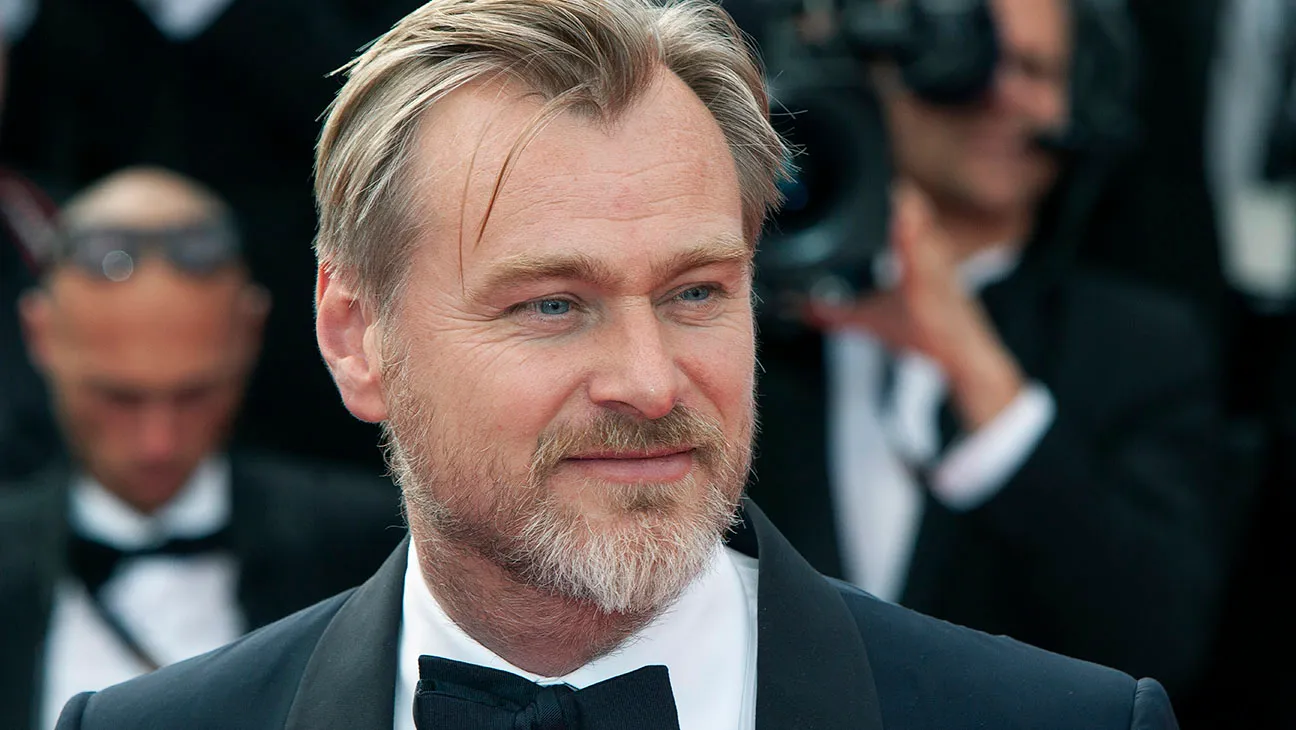
This puts filmmakers in a difficult position, especially those who still believe in the communal power of theatrical exhibition. Directors like Christopher Nolan and Denis Villeneuve have been vocal advocates for theaters, but they’re fighting against powerful economic and cultural currents.
The conversation wrapped with a delicious callback to 2010, when Time Warner CEO Jeff Bewkes dismissed Netflix as a competitor, comparing them to the Albanian army trying to take over the world. Asked how he’d respond today, Sarandos quipped that he’d say it in Albanian if he could. The message was clear: Netflix won that war.
As the entertainment landscape continues evolving, one thing is certain—the debate over theatrical versus streaming isn’t ending anytime soon. But if Sarandos is right, it may already be a settled question for most consumers.
Want to stay updated on the latest streaming wars, tech battles, and entertainment industry drama? Follow Geek Realm Hub on Facebook for more insights and breaking news from the world of pop culture and technology.