


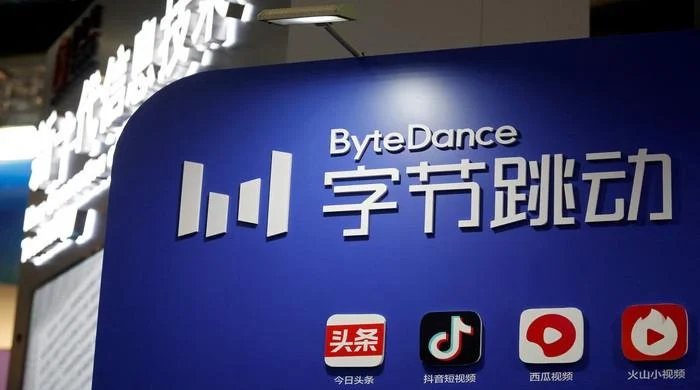
ByteDance barely had time to celebrate the viral success of Seedance 2.0 before Disney’s legal team showed up with a cease-and-desist letter that basically says “not so fast.”
The House of Mouse fired off the letter on Friday, accusing the TikTok parent company of treating beloved characters like Spider-Man, Darth Vader, and Grogu as if they were free stock images anyone could slap into an AI video generator.
Disney calls it a “Virtual smash-and-grab”
The cease-and-desist letter accuses ByteDance of pre-packaging Seedance with an unauthorized library of Disney characters from Star Wars, Marvel, and other major franchises.
Disney’s outside attorney David Singer didn’t mince words, calling ByteDance’s approach a virtual smash-and-grab of Disney’s intellectual property that’s willful, pervasive, and completely unacceptable.
The letter includes examples of infringing videos featuring Spider-Man, Darth Vader, and Baby Yoda, plus characters from Family Guy and beyond. Singer added that this is likely just the tip of the iceberg, which is pretty wild considering Seedance 2.0 only launched on Thursday.
The tool went viral almost immediately, with users generating everything from cinematic fight scenes between Tom Cruise and Brad Pitt to random mashups starring Disney characters doing things Disney definitely didn’t approve.
Hollywood’s united front against AI piracy
Disney isn’t fighting this battle alone. The Motion Picture Association chairman Charles Rivkin demanded ByteDance immediately cease its infringing activity, while SAG-AFTRA condemned the unauthorized use of members’ voices and likenesses.
The Human Artistry Campaign, which includes the Directors Guild of America, called for authorities to use every legal tool available to stop what they’re calling wholesale theft.
This isn’t Disney’s first rodeo with AI companies overstepping boundaries. The studio sent a similar letter to Google in December and previously took action against Character.AI, which actually made changes after receiving Disney’s complaint.
Disney also became the first major studio to sue a generative AI company when it filed against Midjourney last June, later adding lawsuits against Chinese AI firm MiniMax alongside NBCUniversal and Warner Bros. Discovery.
Interestingly, Disney isn’t anti-AI across the board. The company struck a billion-dollar deal with OpenAI last year, making it the first major content licensing partner on Sora, OpenAI’s video platform. The difference? OpenAI actually paid for the privilege and followed proper licensing channels instead of treating Disney’s IP like a free-for-all buffet.
So far, there’s no lawsuit, just the cease-and-desist. But knowing Disney’s track record of protecting its characters like a dragon guards treasure, ByteDance better take this seriously. Whether they actually will remains to be seen.
What do you think, should AI companies be able to train on copyrighted characters, or is Disney right to come down hard on ByteDance? Drop your take below.