



A group of developers with no access to the original source code managed to bring Sonic Unleashed, a 2008 Xbox 360 exclusive, to PC in March 2025, fully playable, with high framerates, ultrawide support, mod compatibility, and native Windows and Linux builds. Nobody at Sega authorized it. Nobody handed them anything. They reverse-engineered the entire game from a compiled binary and built it back up from zero.
That’s what the decompilation scene does, and right now it’s one of the most active corners of gaming you’re probably not following closely enough.
The movement has been picking up serious momentum across three generations of hardware: the Nintendo 64, the PlayStation 2, and the Xbox 360. Games that have no official PC version, no remaster, no digital storefront listing, games that are effectively dead unless you still own the original disc and working hardware, are getting a second life thanks to dedicated communities of reverse engineers working entirely on their own time.
What decompilation actually is, and why it’s not emulation
Most people hear decompilation and think emulation, but they’re very different things. Emulation mimics the original hardware to run the game as-is. Decompilation goes deeper: developers study the compiled game binary, the machine code the console actually reads, and reconstruct the original source code from scratch, line by line, until they have something readable, editable, and portable.
A related technique called static recompilation skips the full decompilation step and translates the original console instructions directly into C++ code that a modern PC can compile and run natively. The key advantage is that once the code runs natively, it’s no longer tied to old hardware limits. Unlocked framerates, arbitrary resolutions, gyro aiming, mod support, all of that becomes straightforward to implement because the game is now essentially running as a modern application.
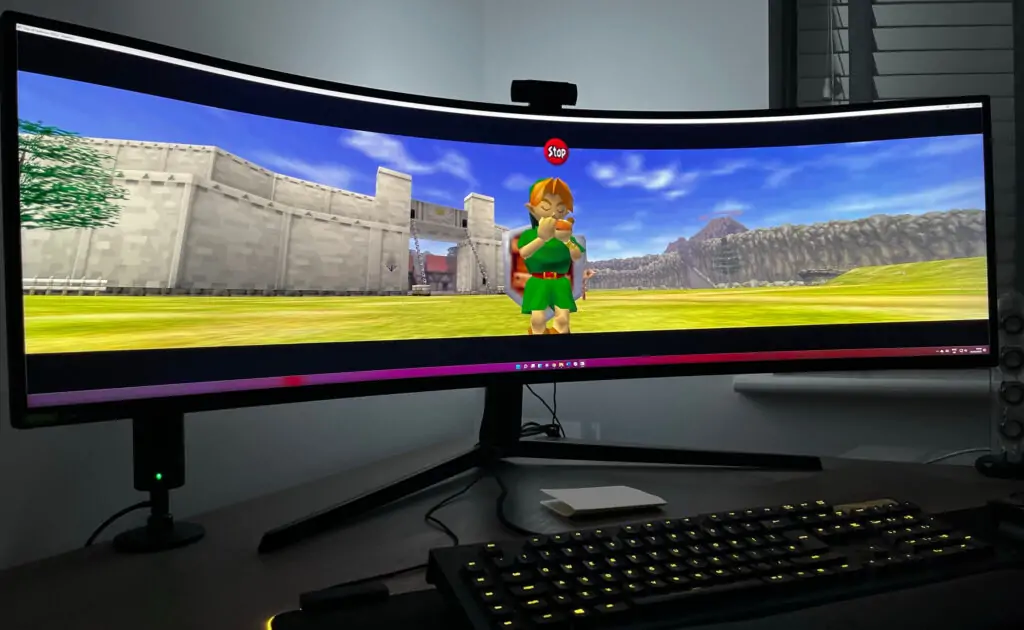
The N64 community has been at this the longest. In 2021, the Zelda Reverse Engineering Team completed a full decompilation of The Legend of Zelda: Ocarina of Time after two years of work, which kicked off a wave of similar efforts. By 2024, the tools and techniques developed during that project were being applied to dozens of other N64 titles.
Today there are completed or near-completed decompilations for games including Mario Kart 64, Star Fox 64, Perfect Dark, Majora’s Mask, and Banjo-Kazooie, several of which already have playable PC ports available.
Sonic Unleashed on PC changed everything for the Xbox 360
The moment that really expanded the conversation beyond Nintendo hardware came on March 1, 2025. Developer and Sonic modder Melpontro ran a seven-hour livestream that appeared to show a heavily modded version of Sonic Unleashed, until the final minutes, when he revealed the game wasn’t running on an Xbox 360 at all.
It was a full native PC port, built using two new tools called XenonRecomp and XenosRecomp, which translate the 360’s original PowerPC instructions and Xenos GPU shaders into C++ and HLSL code that any modern PC can compile.
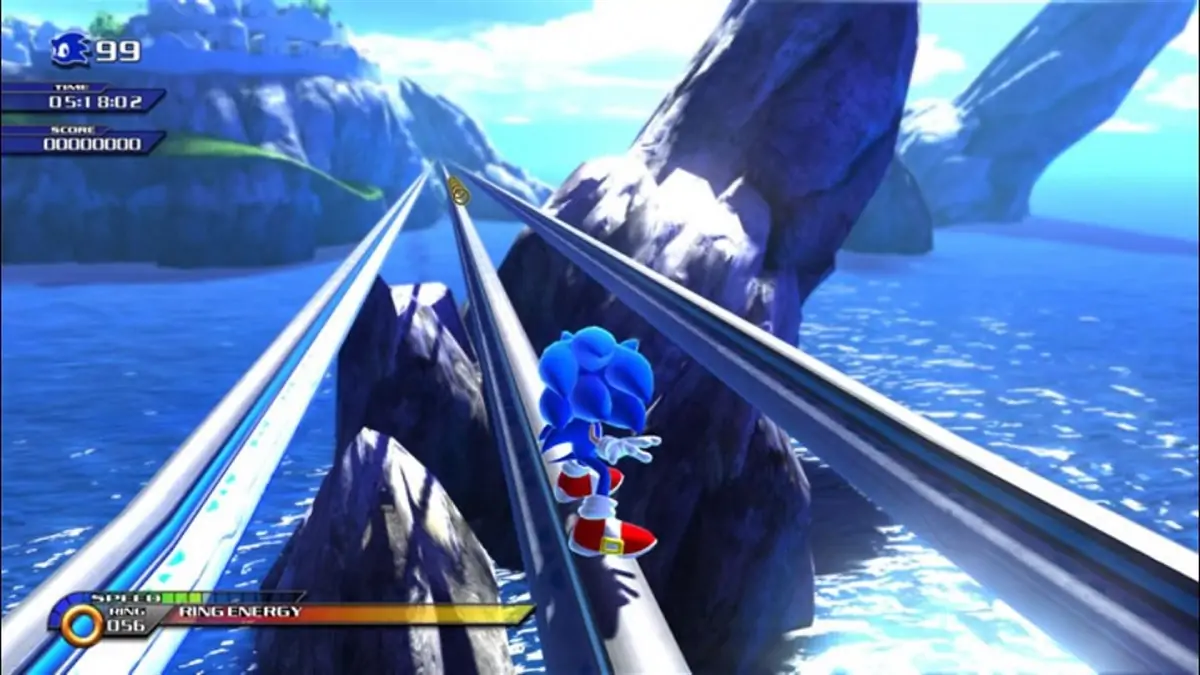
Both tools were directly inspired by N64: Recompiled, the open-source project created by developer Mr-Wiseguy that had already enabled PC ports of Zelda: Majora’s Mask and other N64 games. The Sonic Unleashed port, dubbed Unleashed Recompiled, launched fully playable from start to finish, with support for high resolutions, ultrawide displays, high framerates, and the HedgeModManager, the same mod tool used by Sonic Generations and Sonic Frontiers on PC.
The implications go well beyond one Sonic game. In theory, XenonRecomp makes every Xbox 360 title a candidate for a native PC port, including games that Microsoft never added to the backwards compatibility program and titles whose publishers no longer exist.
One game that fans are particularly watching is Jet Set Radio Future, the cult 2002 original Xbox title that has never had a PC release and isn’t available on any modern storefront. A decompilation project for the game kicked off in early 2026 and is currently in progress on Codeberg, with the goal of eventually producing a native PC port.

It’s still early days, the project is around 30% through the decompilation process, but for a game that Sega has effectively abandoned, it represents exactly the kind of preservation effort the scene was built for.
Meanwhile the PS2 scene is gaining traction too. Active decompilation projects are underway for Ico, Jak and Daxter: The Precursor Legacy, Metal Gear Solid 2, Sly Cooper, Resident Evil Code: Veronica X, and Yakuza, among others. A tool called PS2Recomp is also being developed to do for PlayStation 2 games what N64Recomp did for Nintendo’s classic console. You can track the progress of most active projects at decomp.dev.
Preservation, legal grey areas, and what comes next
The case for all of this work goes beyond nostalgia. A significant number of PS2 and Xbox 360 games have no official path to play them today, no digital release, no remaster, no subscription service. When the hardware breaks and the disc wears out, those games are gone. Decompilation offers a way to preserve them permanently, in a format that can run on any modern machine indefinitely.
The legal situation, though, is genuinely complicated. These projects don’t distribute any game files, users have to supply their own legally purchased copy to extract the assets, and the reconstructed code is entirely new, not copied from the original.
Legal analysts at institutions like Cardozo Law School have argued that decompilation for preservation purposes could qualify as fair use, particularly when a game is otherwise unavailable due to technological obsolescence. Even Nintendo, which is notoriously aggressive about intellectual property enforcement, has not taken legal action against any N64 decompilation project despite them being around for years.
That could change. Rights holders could still send cease-and-desist notices, and the legal status of these projects has never been tested in court. But for now the community keeps building, and the argument that someone should be able to preserve a game they legally bought, on hardware that no longer exists, is one that’s getting harder to dismiss.
What do you think, should fan decompilation projects be legally protected as a form of game preservation, or do they cross a line? Let us know in the comments!