



In a twist that sounds straight out of a Hollywood pitch meeting, President Trump is reportedly championing the revival of one of the ’90s most beloved action-comedy franchises: Rush Hour. According to recent reports, Trump has been personally encouraging billionaire Larry Ellison to resurrect the Jackie Chan and Chris Tucker buddy-cop series, but there’s a catch. The Ellison family would first need to win the ongoing bidding war for Warner Bros. Discovery, the studio that currently holds the franchise rights.
For fans who grew up watching Detective James Carter and Chief Inspector Lee navigate cultural clashes while taking down bad guys, this news might spark both nostalgia and curiosity. But what’s really driving this push, and does it signal something bigger happening in Hollywood?
The deal behind the scenes
The entertainment industry is currently watching one of its biggest potential mergers unfold. Paramount Skydance is making moves to acquire Warner Bros. Discovery in what could be a massive consolidation of media power. Larry Ellison, Oracle’s co-founder, has significant stakes in Paramount, while his son David Ellison serves as the company’s CEO. Trump has reportedly given his blessing to this megadeal, and sources familiar with the matter told Semafor that the president has been actively pushing for the return of Rush Hour alongside other action-packed comedies from the ’80s and ’90s.
It’s an interesting play that goes beyond just one franchise. Trump’s apparent interest in reviving this era of filmmaking reflects a broader cultural conversation about what kind of movies audiences want to see today.
Why Rush Hour still matters
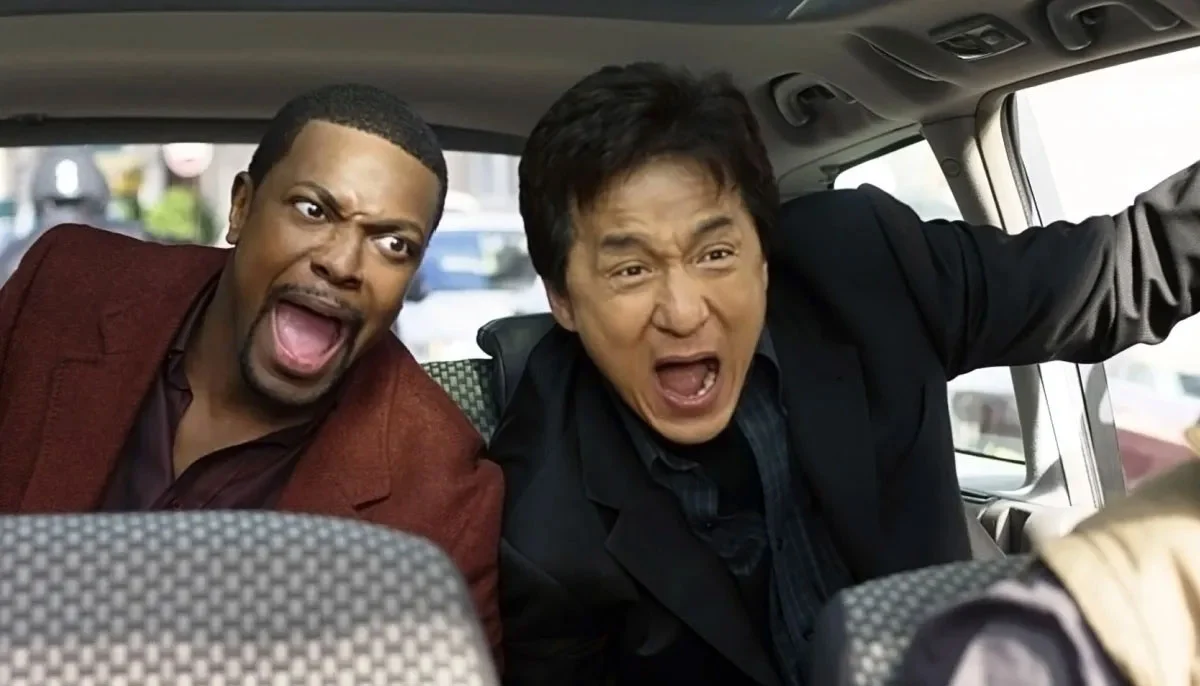
Released in 1998, the first Rush Hour film was an absolute phenomenon. The chemistry between Jackie Chan’s disciplined martial arts master and Chris Tucker’s fast-talking, wisecracking detective created comedy gold. The film blended Chan’s signature physical comedy and jaw-dropping stunts with Tucker’s rapid-fire humor, all while playing with, and sometimes poking fun at, cultural and racial stereotypes in ways that were typical of ’90s action comedies.
The franchise spawned two sequels, with Rush Hour 2 (2001) maintaining much of the original’s charm. However, by the time Rush Hour 3 hit theaters in 2007, critical reception had cooled considerably, and the series seemed to have run its course.
Director Brett Ratner, who helmed all three films and other major projects like X-Men: The Last Stand, faced serious career setbacks in 2017 when six women accused him of sexual misconduct. Warner Bros. Discovery severed ties with him following these allegations. Since then, Ratner has been working his way back into the industry, including spending time this year working on a $40 million Amazon documentary about First Lady Melania Trump.
Meanwhile, Rush Hour producer Arthur Sarkissian has moved on to other projects, including “The Man You Don’t Know,” a documentary about Trump that premiered at Mar-a-Lago during the 2024 presidential campaign.
A return to “classic” action cinema?
Trump’s push for Rush Hour isn’t happening in isolation. The president has made no secret of his love for the action-heavy, testosterone-fueled cinema of the ’80s and ’90s. He’s a known fan of films like Bloodsport (1988), the Jean-Claude Van Damme martial arts classic that defined an era of sports-action movies. He’s also been bringing that aesthetic into his political sphere, hosting figures like Sylvester Stallone and Mike Tyson at the White House. There are even reports that Trump is planning to host a UFC fight on the White House lawn, with Paramount handling the broadcast.
Film producer Dallas Sonnier told Semafor that this could signal “a wave of classically male-driven movies with mentally tough, traditional, courageous, confident heroes. Maybe even a tad cocky, but dedicated to honor and duty.” He added, “Plus, of course, a few explosions, gun battles, helicopters, fistfights and car chases!”
Whether this represents a genuine shift in Hollywood’s output or just wishful thinking remains to be seen, but it’s clear that there’s an appetite, at least in some circles, for the kind of straightforward, action-packed entertainment that defined blockbusters decades ago.
The Chan and Tucker factor
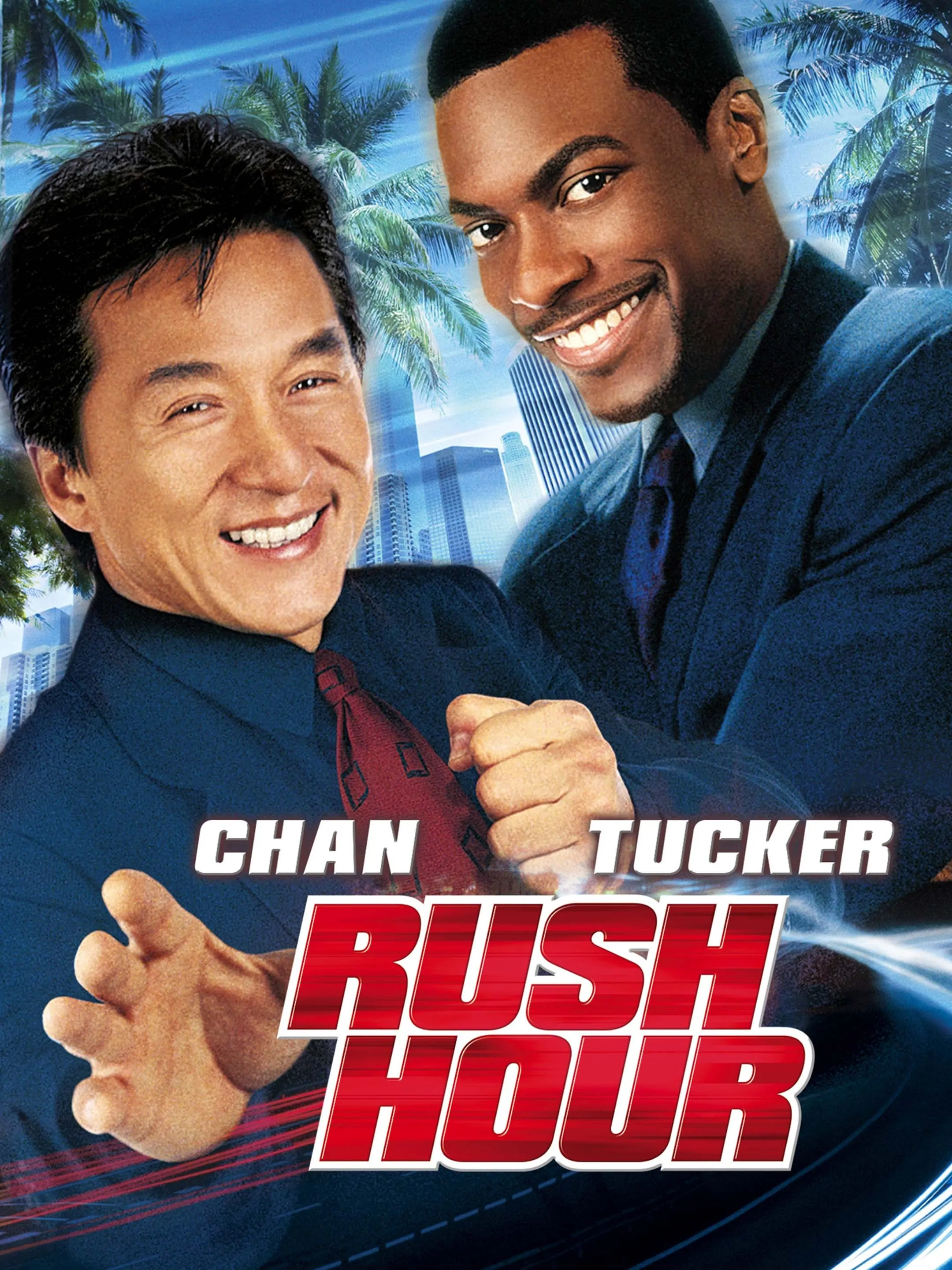
One element that might make Rush Hour particularly appealing in the current climate is the political stance, or lack thereof, of its two stars. Unlike many Hollywood actors who have been vocal critics of Trump, both Jackie Chan and Chris Tucker have remained relatively neutral or even cautiously supportive.
After Trump’s 2016 election victory, Chan told reporters to “give him a chance to try to change America and change the world. He’s a businessman… I think he knows how to handle these types of things.” Tucker, during a 2018 interview with Piers Morgan, kept his cards close to his chest but said he “hopes [Trump] does good” and wants him “to be successful.”
This diplomatic approach from both actors could smooth the path for a potential revival, avoiding the kind of behind-the-scenes tension that has plagued other projects in recent years.
Will it actually happen?
Here’s where things get complicated. Warner Bros. Discovery licensed the Rush Hour franchise to other studios after cutting ties with Ratner, but so far, no one has taken the bait. The question is whether a new ownership structure, if the Paramount Skydance acquisition goes through, would change that calculus.
There’s also the matter of whether audiences in 2025 want to see a Rush Hour 4. Nostalgia is a powerful force in entertainment, as proven by the success of legacy sequels like Top Gun: Maverick and Creed. But those films worked because they brought something fresh to the table while honoring what made the originals special. A new Rush Hour would need to walk that same tightrope, delivering the action and comedy fans remember while updating the formula for modern sensibilities.
Both Chan and Tucker are older now, which could actually work in the film’s favor if the script leans into that reality rather than trying to pretend nothing has changed. The “aging action heroes” subgenre has proven surprisingly durable, from The Expendables to John Wick.
For now, this remains in the realm of Hollywood speculation and high-level conversations. Neither the White House nor Paramount has commented on the reports, and there’s no indication that Chan or Tucker have been approached about reprising their roles.
But if there’s one thing we’ve learned about the entertainment industry, it’s that where there’s nostalgia, and money, there’s usually a way.
Stay tuned for more updates on this story and other entertainment news. Follow us to keep up with the latest from the worlds of film, TV, gaming, and geek culture!