



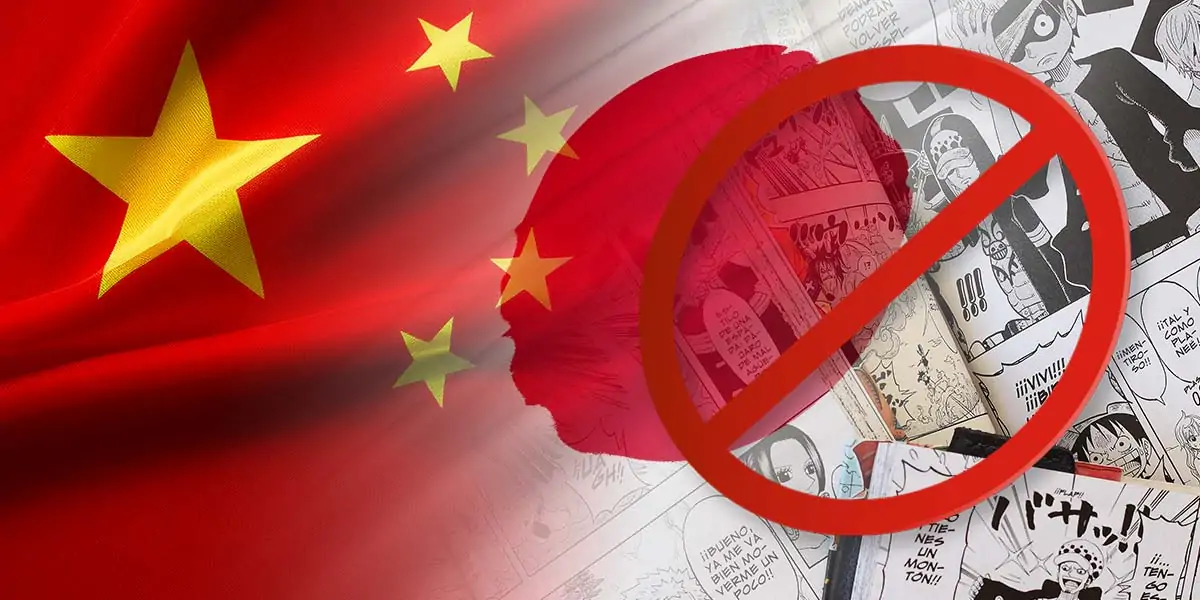
Just days before fans were set to descend upon Hangzhou for one of the year’s most anticipated geek gatherings, organizers of COMICUP dropped a bombshell that’s sent shockwaves through the community. The convention, recognized as China’s largest doujinshi and fan-creation marketplace, announced on December 19 that its upcoming December 27-28 event would adopt a “New Chinese Style-only” format. Translation? Japanese anime and manga are out.
The timing couldn’t be worse for exhibitors who’ve spent months preparing. With around 7,000 booths expected at the event, dozens of vendors suddenly found their reservations cancelled with barely a week’s notice. The official statement cited “consideration regarding the current social environment and cultural obligations” as the reason for the pivot, though organizers carefully avoided naming Japan directly.
The fallout hits hard
For artists and sellers, this wasn’t just an inconvenience. Many had already invested heavily in printing costs, merchandise, and travel arrangements. One exhibitor shared her frustration online, explaining how she’d been holding onto hope despite earlier rumors about potential IP restrictions, only to have those hopes crushed by the formal notification.
The ripple effects extend beyond individual vendors. Industry analysts predict Hangzhou could lose more than 200,000 potential tourism visits tied to the convention. That’s a significant economic blow for a city that typically welcomes hundreds of thousands of fans for these biannual events.
Part of a bigger pattern
This ban doesn’t exist in a vacuum. Recent weeks have seen a broader freeze on Japanese cultural content across China. December saw the theatrical run of “Demon Slayer: Infinity Castle” cut short despite strong box office numbers, with officials citing vague “unavoidable circumstances.” Other anime screenings have been postponed indefinitely, while Japanese performers like singer Maki Otsuki found themselves escorted offstage mid-performance at Shanghai venues.
The restrictions appear linked to escalating political tensions between China and Japan, particularly following statements from Japanese Prime Minister Sanae Takaichi regarding Taiwan. Interestingly, content from the United States and Europe seems unaffected by COMICUP’s new policy, suggesting this is specifically targeting Japanese intellectual property.
While the convention will still proceed this weekend, it’ll look dramatically different from what attendees expected when they bought their tickets months ago. For a community built around celebrating diverse fandoms and creative expression, that’s a tough pill to swallow.
Want more breaking news from the world of anime, gaming, and geek culture? Follow Geek Realm Hub on Facebook to stay in the loop with all the latest updates!