



Back in 2003, Hideo Kojima did something absolutely wild with Boktai: The Sun Is in Your Hand for Game Boy Advance. The cartridge came with a built-in photometric light sensor that detected actual sunlight, and you literally had to take your GBA outside to charge your weapons. No sunlight meant no power, forcing players to either avoid combat or hunt down in-game Solar Stations to recharge. It was bizarre, ambitious, and pure Kojima.
The concept fit perfectly with the game’s premise. You play as Django, a vampire hunter wielding the Gun Del Sol, a solar-powered weapon that fires beams of sunlight at undead enemies. The story takes place during the Age of Darkness, a post-apocalyptic world where immortal creatures composed of Dark Matter prey on survivors. Vampires can’t handle sunlight, obviously, so having actual sun pouring into your game gave you a tactical advantage.
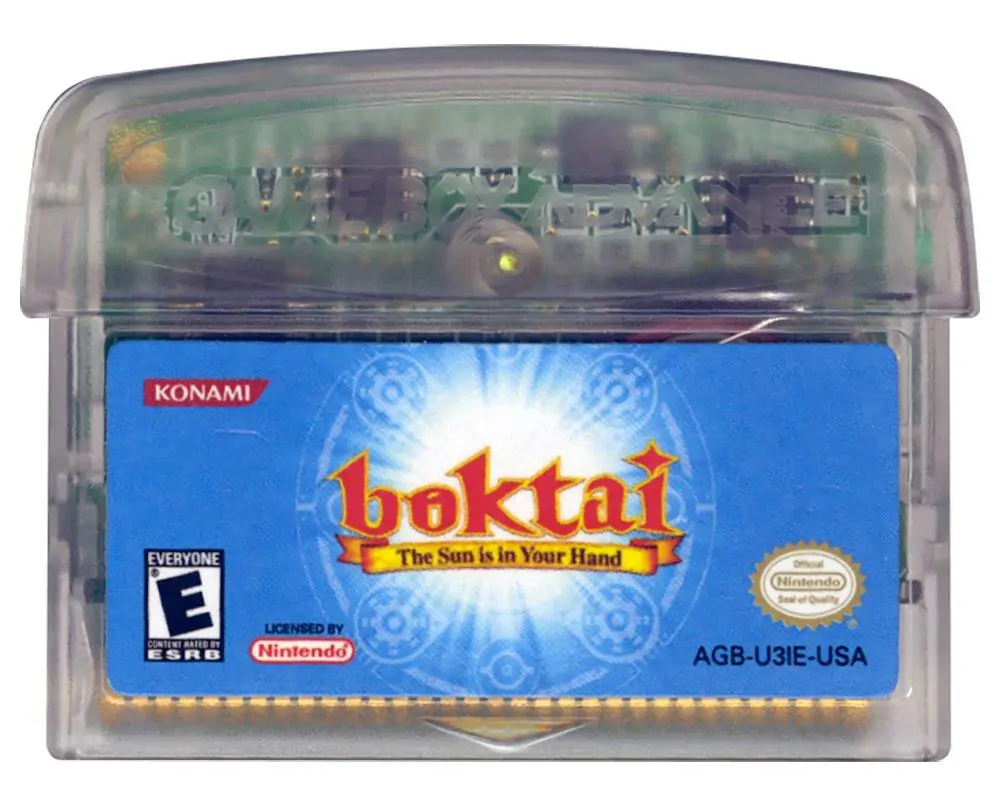
How the solar sensor actually changed gameplay
The sensor didn’t just charge your battery. It affected the entire game world in real time. The cartridge included an internal clock that tracked day and night cycles based on your time zone.
When you set up the game, you entered your location and the current time, and Boktai would simulate the sun’s position throughout the day. Puddles would dry up if exposed to sunlight continuously. Solar Trees damaged by darkness could be healed by playing in bright conditions. Dungeons would have beams of light breaking through if your sensor detected UV rays.
The game prompted players to set their current time and time zone before starting, then estimated when the sun would rise and set to simulate its position inside the game. This meant your gameplay experience changed drastically depending on whether you played at noon or midnight, on a cloudy day or during a heatwave.
Some boss battles were nearly impossible without sunlight. The Pile Driver sequences, where you purified defeated immortals, required solar energy to function. If your sensor wasn’t picking up UV rays, those generators would shut off and you’d waste your time. When strong sunlight hit the sensor, solar energy charged up quickly, but when weak, it charged slowly.
The game that was too weird to succeed
Critics praised the innovative design. Jeremy Parish from USgamer called the sunlight requirement fitting for Kojima, a creator known for breaking the fourth wall and manipulating audiences. He admitted the lengths he went to complete Boktai made it one of his most memorable gaming experiences.
But that uniqueness also killed its commercial prospects. The game demanded outdoor play, which meant dealing with glare on the GBA screen, weather conditions, and the simple fact that not everyone has time to game in direct sunlight.

The series spawned two GBA sequels, Boktai 2: Solar Boy Django in 2004 and Boktai 3: Sabata’s Counterattack in 2005, both using the solar sensor. The third game never left Japan, and by the time Lunar Knights hit Nintendo DS in 2006, Konami rebranded the series and made the solar sensor optional. The requirement to play outdoors ensured it had only a niche audience, with the third game not receiving a release outside of Japan.
Kojima himself faced fierce internal opposition at Konami when pitching Boktai. In a 2003 interview, he revealed he’d been stockpiling weird game ideas for years while working on Metal Gear, including one where the disc would break if you died. Boktai was his chance to finally make something truly unconventional. He even wanted to include a garlic breath sensor at one point but, thankfully, someone talked him out of it.
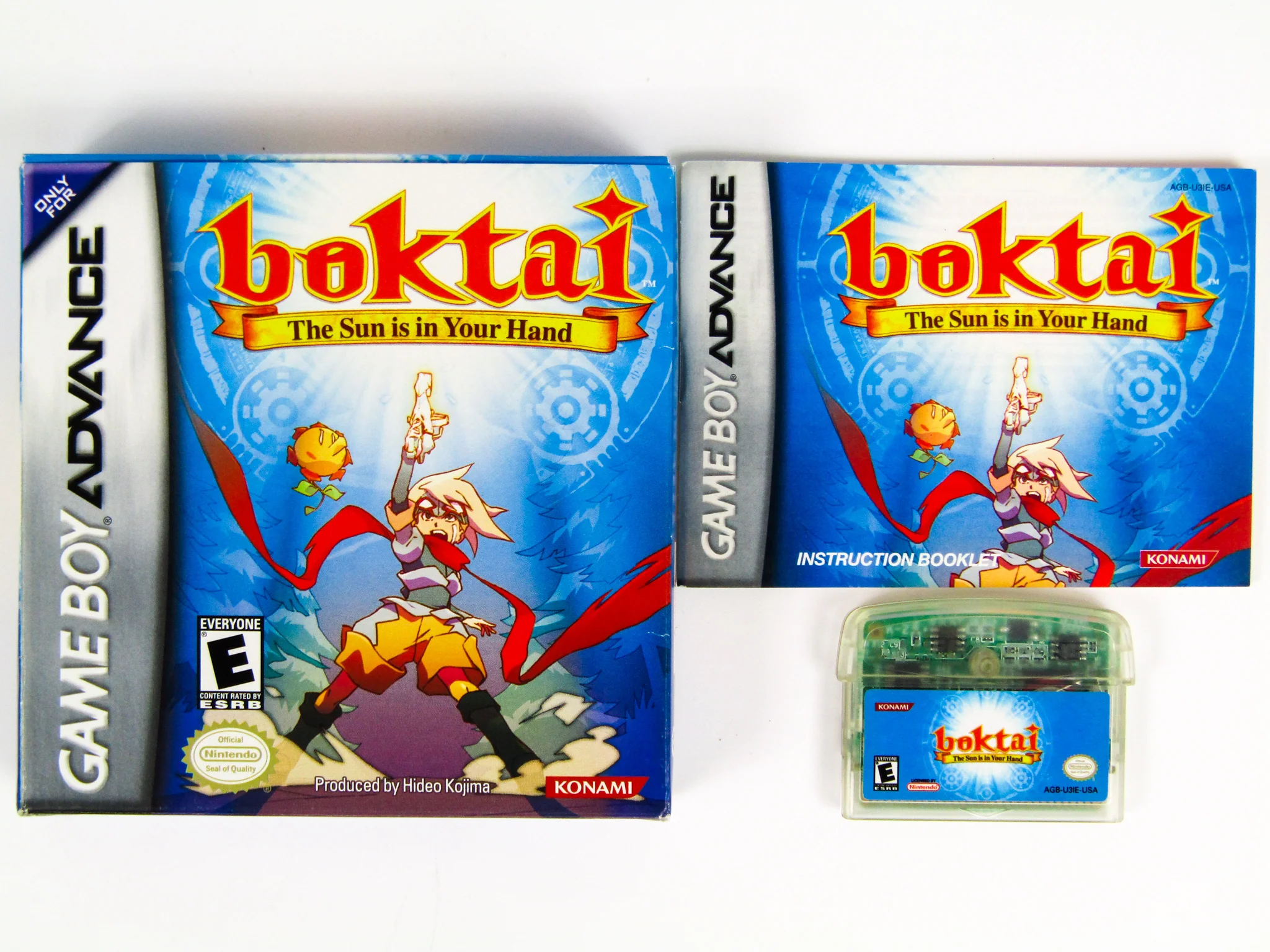
The game retailed for $34.99 in September 2003 and remains a cult classic. These days, sealed copies or complete-in-box versions sell for significantly more on the collector’s market, with some listings hitting $50 or higher.
Modders have created solar sensor patches for emulators and flash carts, letting players simulate sunlight with button combinations, but that defeats the whole point of what made Boktai special.
Want more wild gaming stories and forgotten classics? Follow Geek Realm Hub on Facebook and join the conversation!