



Patrick Söderlund, head of Embark Studios, doubled down on his stance during a recent GamesBeat interview, insisting AI is a valuable tool that benefits both developers and players when used ethically. But not everyone’s buying it.
Söderlund was clear about his philosophy: games should remain a “people industry.” He emphasized Embark won’t use AI to replace voice actors or cut staff, positioning the technology as a creative aid rather than a cost-cutting measure.
According to him, AI speeds up certain processes, allowing developers to focus on more complex creative tasks while potentially delivering better games to players.
“We don’t use AI to avoid hiring or replacing staff, work groups, or voice actors. We need to reflect and understand what it is and how it can be a great help for developers and an enormous benefit for players. I understand it’s a complex topic and a complex debate“, Söderlund stated, acknowledging the nuance while standing firm on ethical implementation.
The other side of the coin
Here’s where it gets messy. Critics argue that using AI-generated voices, even partially, undermines the livelihoods of voice actors in an already competitive field. The concern isn’t just about replacement; it’s about consent and compensation.
Many AI models train on existing voice data, raising questions about whether artists are being exploited without their knowledge or fair payment. Even if Embark claims ethical use now, the precedent worries industry workers who’ve seen automation eliminate jobs in other sectors.
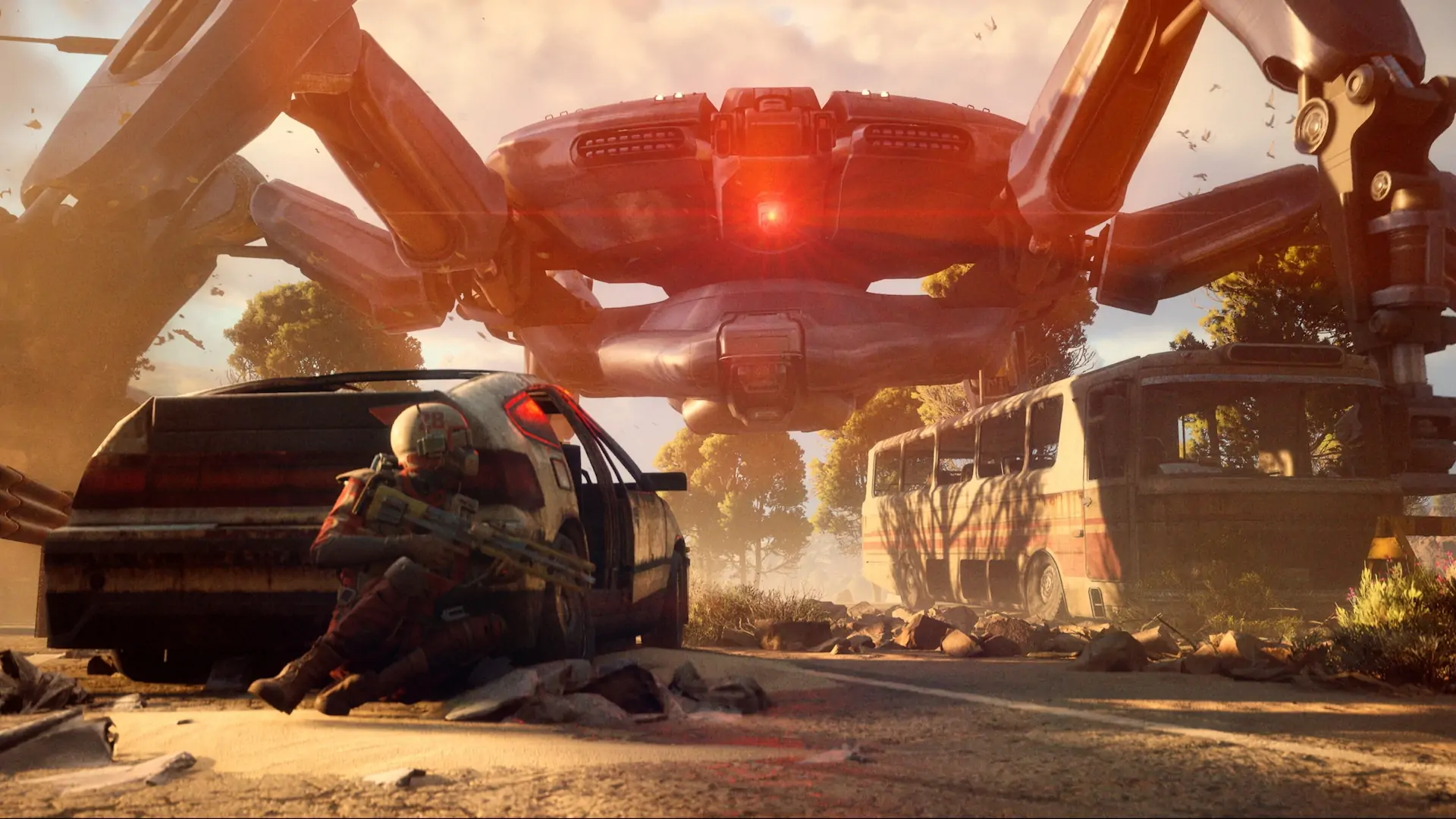
The timing doesn’t help either. Arc Raiders launched amid massive layoffs across the gaming industry, with studios cutting thousands of positions throughout 2024 and 2025.
When companies tout AI as a development accelerator while simultaneously downsizing teams, the optics are rough. Players and developers alike question whether “ethical AI use” is a genuine commitment or just corporate speak for inevitable job cuts down the line.
Where do we go from here?
The reality is both sides have valid points. AI can genuinely streamline tedious tasks, background dialogue, placeholder audio, or iteration testing, freeing human talent for nuanced, emotional performances that machines can’t replicate.
But without industry-wide standards on consent, compensation, and transparency, the technology remains a minefield. Embark’s promise to keep humans at the center sounds good on paper, but actions speak louder than press releases.
Arc Raiders remains popular despite the backlash, proving players aren’t universally opposed to AI-assisted development. But the debate’s far from over.
As more studios adopt these tools, the industry needs clear ethical frameworks, not just corporate assurances, to protect the people who make games possible while embracing innovation that genuinely improves the final product.
Want more gaming news and honest takes on industry drama? Follow Geek Realm Hub on Facebook and stay in the loop with us, we’ve got you covered!