


If you’ve ever opened a streaming platform like Crunchyroll or Netflix, scrolled through hundreds of anime titles and had absolutely no idea where to start, you are not alone.
The world of anime comes with its own vocabulary, Shonen, Seinen, Isekai, Josei, and if nobody explains what those words actually mean, the whole thing feels like trying to read a map in a language you’ve never seen. The good news is that once you understand the basics, navigating anime becomes a lot easier, and honestly way more fun.
Here’s the breakdown you actually need.
The four demographics that define everything
The most important thing to understand about anime is that the biggest genre labels aren’t really about story content at all, they’re about audience. When someone says a show is Shonen, they’re telling you it was originally published in a manga magazine aimed at boys roughly between 12 and 18 years old. The same logic applies to the other three main categories.
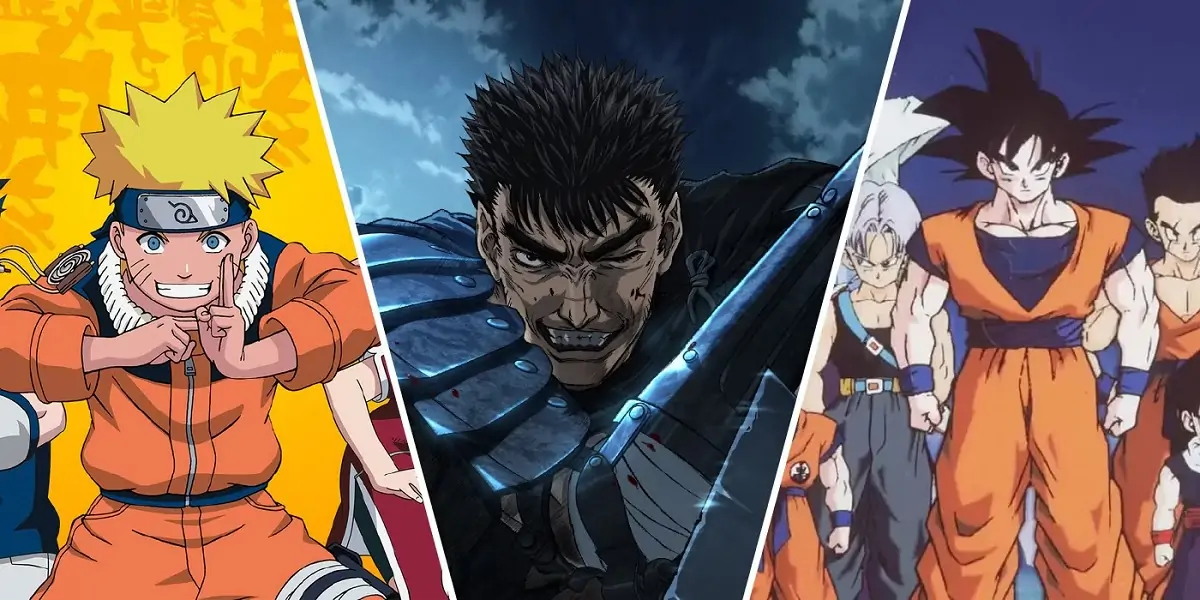
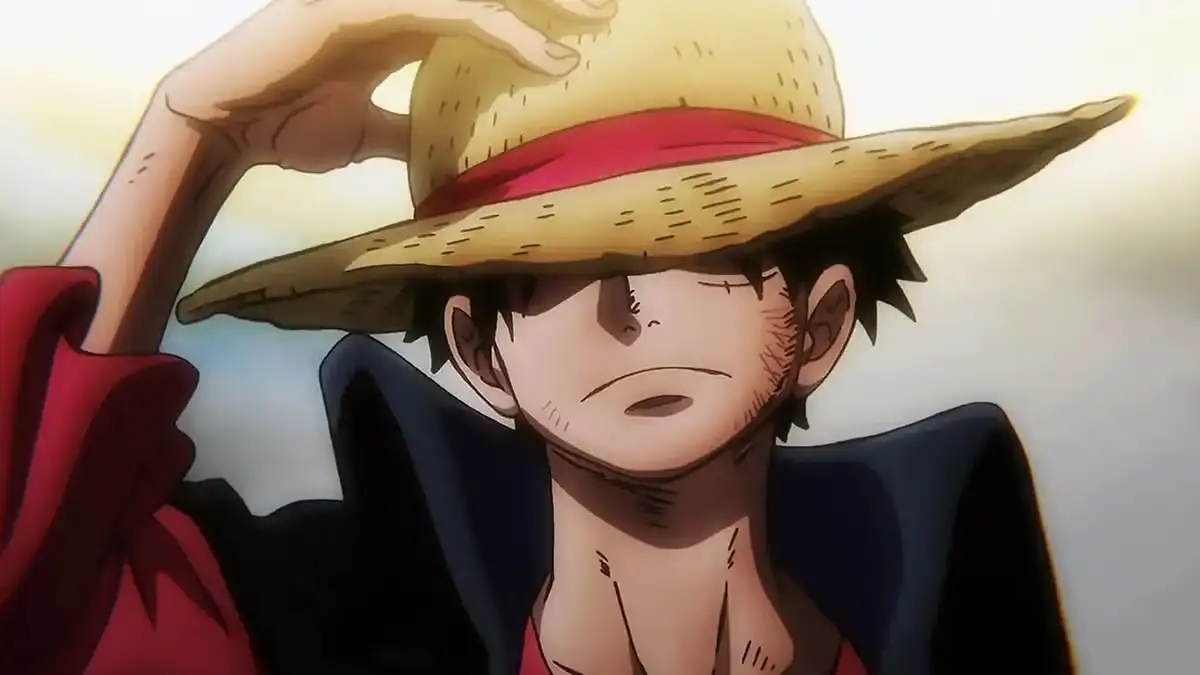
Shonen is probably the genre most people have already seen without knowing the name. Dragon Ball Z, Naruto, One Piece, Demon Slayer, all Shonen. The formula tends to follow a young protagonist with a big dream, intense battles, power-ups that defy all logic but feel incredible, and a heavy emphasis on friendship and perseverance. The pacing is fast, the action is constant, and the emotional moments hit harder than you’d expect from something aimed at teenagers.
 Shojo is the counterpart aimed at young girls. The focus shifts toward emotional depth, relationships, and a visual style that leans softer. Sailor Moon, Fruits Basket, and Cardcaptor Sakura are the classic examples. The pacing slows down considerably, and the story puts the inner lives of its characters front and center, how they feel, how they connect, how they change.
Then you have Seinen, aimed at adult men, and Josei, aimed at adult women. Seinen in particular is where things get darker and more complex. Berserk, Tokyo Ghoul, and Vinland Saga all fall under this label. The storytelling is grittier, morally messier, and significantly less forgiving to its characters. Josei works like Chihayafuru and Wotakoi: Love Is Hard for Otaku deal with adult relationships and personal growth with a realism that Shojo rarely touches.
There is also a fifth category that rarely gets mentioned in these conversations but deserves its place at the table: Kodomomuke, which simply means “for children” in Japanese. This is the demographic aimed at kids under 10, and the tone reflects that completely, gentle stories, clear moral lessons, light humor, and nothing that would make a parent look up from their phone.
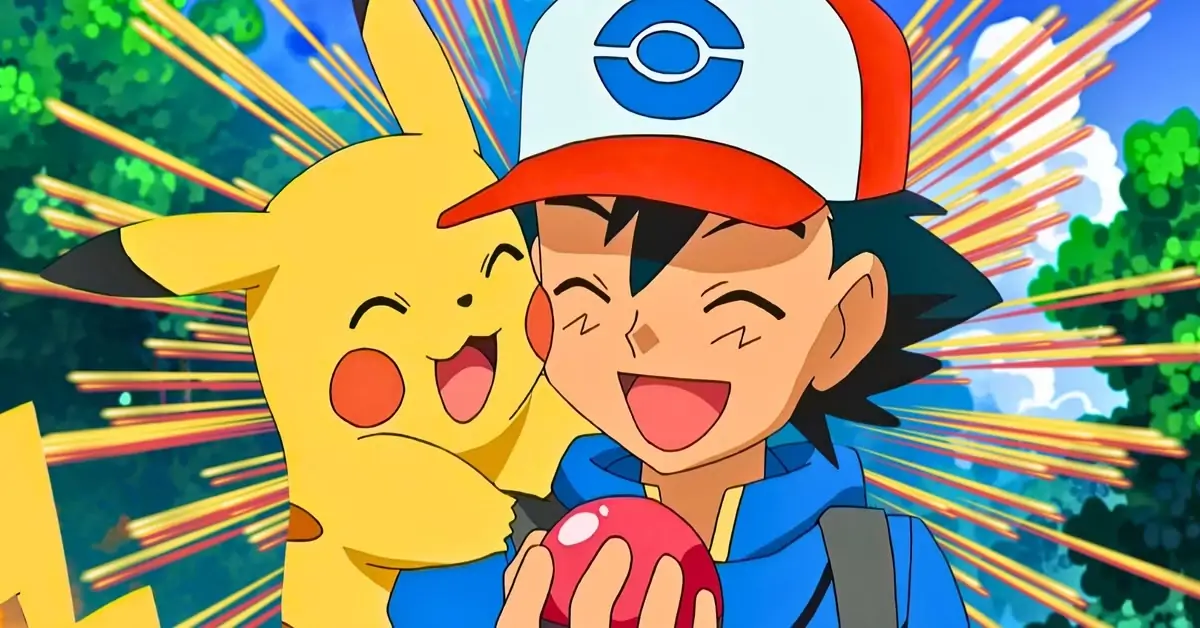
Pokémon is the most globally recognized example, having run in various forms since 1997. Doraemon is another giant, a cultural institution in Japan that has been running since 1969 and remains one of the best-selling manga franchises in Japanese history.
In the West, Kodomomuke rarely gets called by its proper name, most people just know it as “kids’ anime”, but understanding it as its own demographic helps complete the picture of how the entire system actually works.
One important thing worth knowing: these labels describe the target audience, not the content. A Shonen anime can be incredibly dark. A Seinen anime can be a lighthearted comedy. The demographic tells you who it was made for, what’s inside is a different conversation entirely.
Isekai, Mecha, and the genre rabbit hole
Beyond the four main demographics, anime has a deep catalog of genre categories built around story type, and a few of them have become massive cultural phenomena on their own.
Isekai is everywhere right now. The word literally translates to “different world” in Japanese, and the premise is almost always the same: a regular person, usually a Japanese guy, usually after dying in some mundane way, gets transported into a fantasy world where they gain special powers and start over.
Overlord, Re:Zero, and That Time I Got Reincarnated as a Slime are three of the genre’s biggest names. The formula has exploded to the point where a new Isekai seems to drop every season, which is either exciting or exhausting depending on your patience for the tropes.
Mecha is the giant robot genre. Gundam, Neon Genesis Evangelion, and Code Geass are the names that come up most. What separates the great Mecha anime from the forgettable ones is usually what the robots mean thematically. Evangelion isn’t really about robots at all, it’s about trauma, identity, and the crushing weight of being relied upon when you can barely hold yourself together. That’s why it still resonates decades after it first aired.

Slice of Life does exactly what the name suggests. No world-ending threats, no supernatural powers, just people moving through their days, dealing with school, work, and the small personal moments that make up a life. Shows like Barakamon, Yotsuba&! and Mushishi live in this space. They’re the anime equivalent of sitting quietly somewhere and just breathing.
The vocabulary every new fan needs
Anime comes with a glossary, and while you don’t need to memorize all of it, a handful of terms show up constantly enough that they’re worth knowing.
Tsundere describes a character archetype, usually a love interest, who is cold, hostile, or aggressive on the outside but genuinely warm underneath. The appeal is in watching that exterior crack. Asuka from Evangelion and Taiga from Toradora are two of the most recognized examples in anime history.
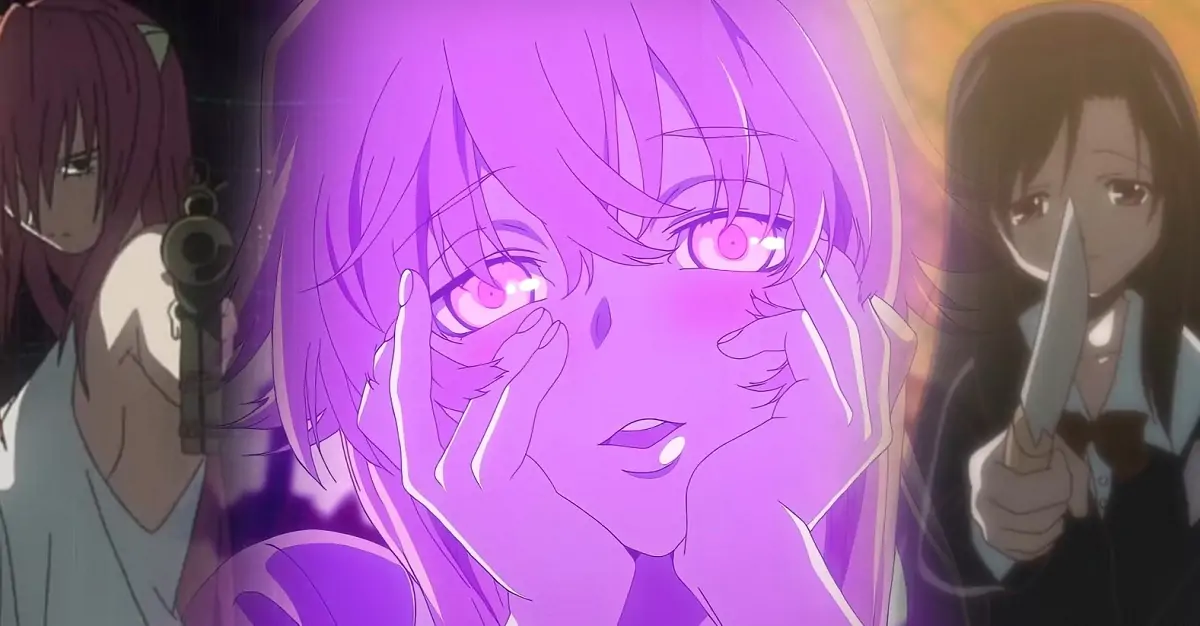
Yandere is the darker version: sweet and loving on the surface, dangerously obsessive underneath. Depending on the show, it’s played for laughs or for genuine horror.
Filler refers to anime-original episodes that don’t come from the source manga and don’t advance the main story. Studios produce them when a show catches up to its manga faster than new chapters get written. Naruto and Bleach are the most notorious offenders, in Bleach’s case, nearly 45 percent of the original run was filler.
Canon means it actually happened in the official story. If a moment only exists in a fan-made video or a non-official spinoff, it’s not canon.
Waifu and Husbando are fan terms for a character someone feels deeply attached to, part inside joke, part genuine affection. You’ll hear them constantly in fan spaces.
Nakama is a Japanese word that loosely translates to comrades or people who feel like family, and in Shonen anime it carries enormous emotional weight. When a protagonist says they’re fighting for their nakama, that’s the entire emotional engine of the series right there.
Understanding these terms won’t just help you sound like you know what you’re talking about, they’ll help you actually follow conversations in fan communities, get more out of reviews, and understand why certain storytelling patterns keep working on audiences decade after decade.
Anime is one of the most creatively diverse forms of storytelling in existence. Whether you start with something loud and flashy like Demon Slayer or something quieter like March Comes in Like a Lion, there’s a way in for everyone. The genre labels are just the map, what you find along the way is entirely up to you.
What genre are you most curious to explore, or which one already has you hooked? Tell us in the comments, we want to know where your anime journey is taking you!