



AMD CEO Lisa Su just dropped a major update on the next-gen Xbox during the company’s latest earnings call, confirming the custom chip development is moving forward smoothly to support a 2027 release.
The news comes at a crucial time for Microsoft as current Xbox Series X|S hardware sales dropped 32% year-over-year, making the upcoming console’s arrival even more critical for the brand.
Su stated that development of Microsoft’s next-gen Xbox featuring an AMD semi-custom SoC is “progressing well to support a launch in 2027.”
This announcement aligns with Microsoft’s previously rumored timeline and confirms that AMD’s chip engineering won’t be the bottleneck if Redmond decides to pull the trigger next year.
The Magnus APU: A beast of a chip
The processor powering this next Xbox, codenamed Magnus, is shaping up to be the largest console chip ever made. According to multiple leaks from Moore’s Law Is Dead and industry sources, this AMD APU measures approximately 408 mm² and uses a dual-chiplet design on TSMC’s 3nm process, combining 144 mm² for the CPU die and 264 mm² for the GPU.
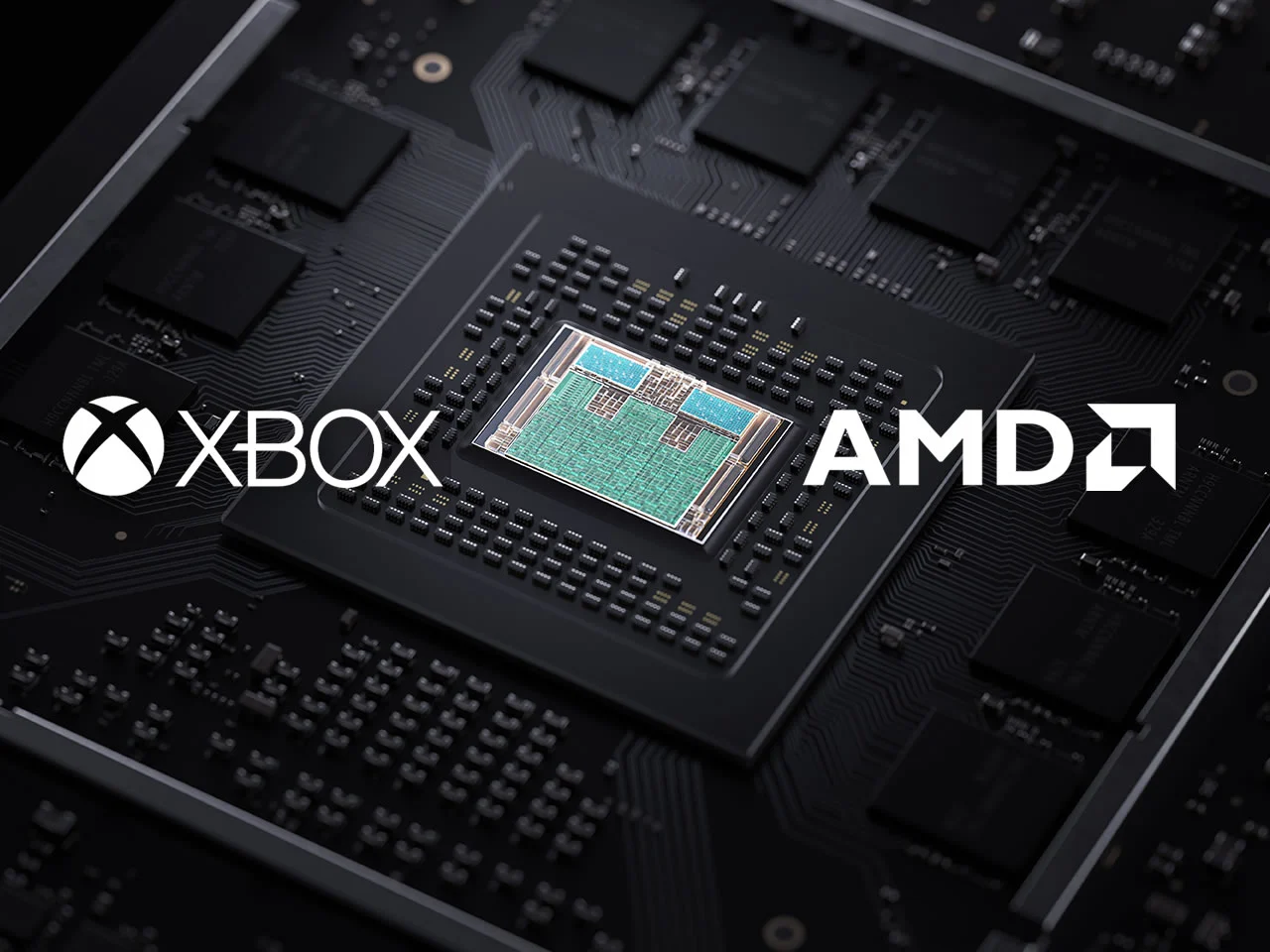
The specs are genuinely impressive. Magnus reportedly packs 11 CPU cores using AMD’s Zen 6 architecture, three high-performance cores capable of hitting close to 6 GHz alongside eight efficiency Zen 6c cores.
On the graphics side, the chip features 68 active RDNA 5 compute units out of 70 total, with 24 MB of L2 cache. Memory configuration could reach up to 48 GB of GDDR7 on a 192-bit bus, double the capacity of the current Series X.
Early performance estimates suggest graphics performance comparable to Nvidia’s RTX 5080 in rasterization and potentially RTX 5090-level ray tracing. Microsoft is internally targeting 4K gaming at 144 Hz, surpassing Sony’s reported 4K 120 Hz goal for the PlayStation 6.
If these numbers hold, Magnus could outperform the PS6 by 15 to 35 percent depending on final clock speeds and memory configurations.
A PC-Console hybrid strategy
What makes this Xbox particularly interesting is Microsoft’s rumored hybrid approach.
Multiple reports indicate the console will blur the line between traditional gaming boxes and PCs, potentially supporting Windows and third-party storefronts like Steam, Epic, and GOG. This positions the device as more than just a console, it’s Microsoft’s attempt to create a premium gaming PC in a living room-friendly package.

The trade-off? Power consumption estimated between 250 and 350 watts, which might require a three-prong power connector similar to the PlayStation 3.
This power draw reflects Microsoft’s willingness to prioritize performance over efficiency, especially since the company reportedly isn’t planning to sell the hardware at a loss. Early pricing rumors suggest the console could cost over $1,000, with Xbox president Sarah Bond previously describing it as a “very premium” experience.
AMD also confirmed during the earnings call that semi-custom revenue is expected to decline significantly in 2026 as both Sony and Microsoft continue selling seventh-year consoles, but should reverse once new hardware ramps up production.
The chip maker is simultaneously working on Sony’s PlayStation 6 under the codename Orion and Valve’s Steam Machine, which is on track to ship early this year.
One potential concern remains memory pricing. Industry sources have noted that record-high GDDR7 memory costs could complicate Microsoft’s plans, though AMD’s confirmation suggests the chip side is progressing regardless.
Whether Microsoft sticks to 2027 or adjusts the timeline ultimately depends on multiple factors beyond just the processor, including memory availability, overall system design, and market conditions.
For now, AMD’s on schedule, Microsoft’s on schedule, and 2027 is looking increasingly realistic for the next Xbox generation.
Stay plugged into the latest gaming hardware news and geek culture updates, follow Geek Realm Hub on Facebook for more!